Last updated: June 2026 — This guide is based on actual equipment procurement lists from Guangzhou's largest state-owned EV repair facility, maintained by our partner organization. The lists are used in our 7-day hands-on training programs for overseas technicians.
Why This Question Keeps Coming Up
In the past week, two independent garage delegations — one from Europe and one from Southeast Asia — visited our Guangzhou training facility. Both spent time examining equipment in our partner workshop. Both asked the same follow-up question:
"We've seen the training. We've seen the equipment. What exactly do we need to buy to set up our own EV repair shop back home — and how much will it cost?"
This is the most common question we hear from overseas repair shops looking to transition from traditional combustion engine service to electric vehicle repair. The answer depends on your budget, target vehicle brands, and the depth of repairs you plan to offer.
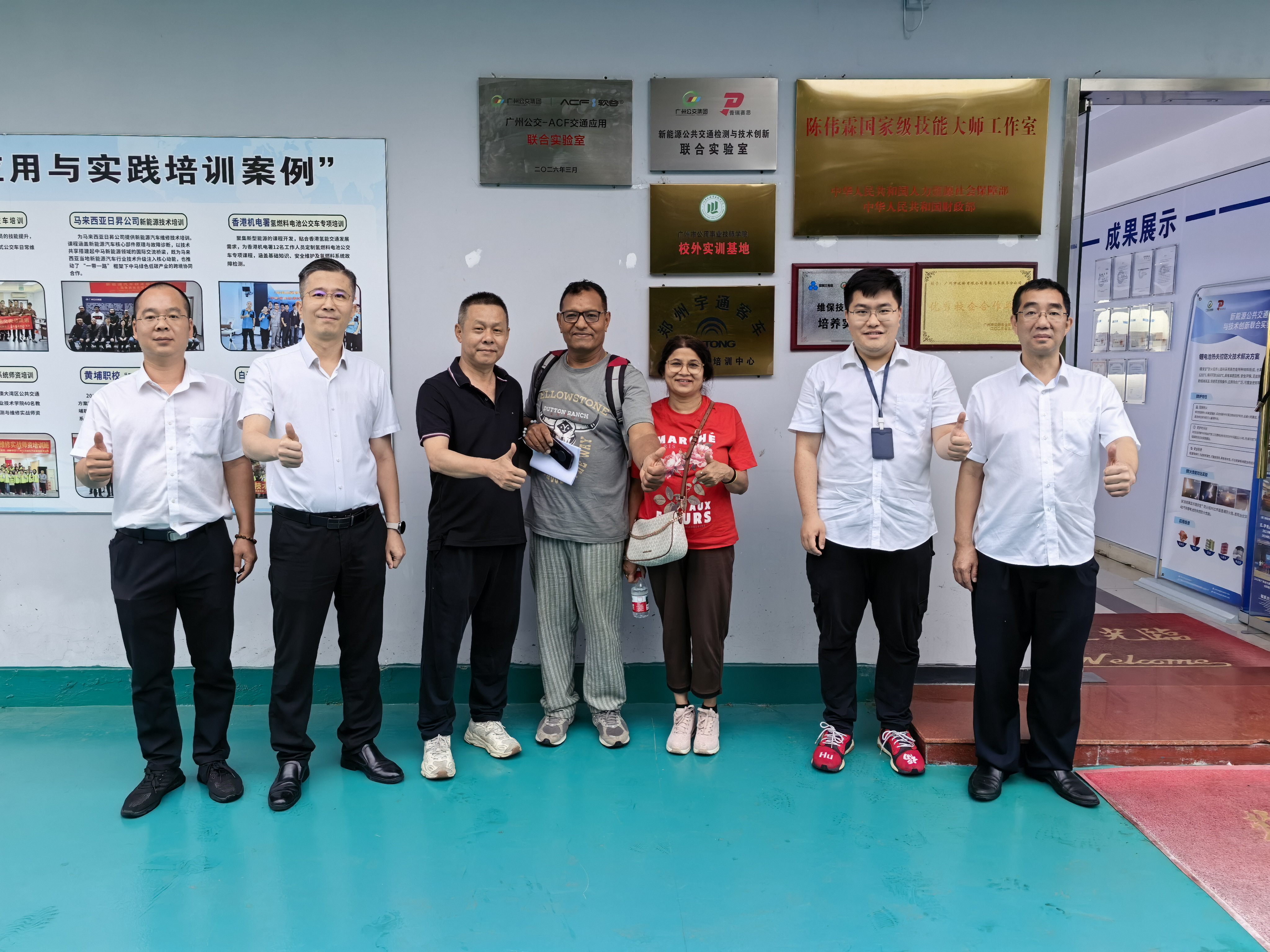
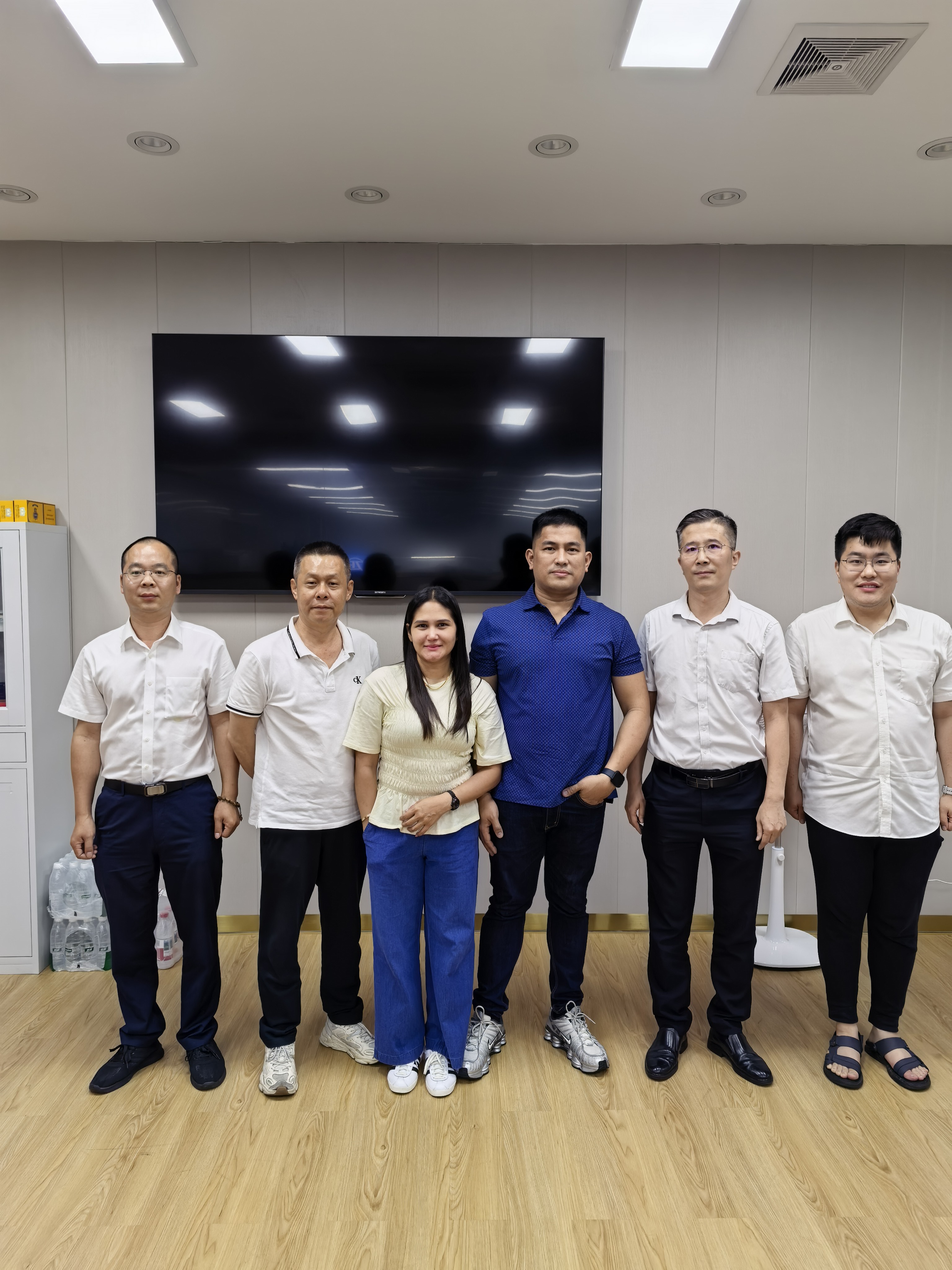
🌍 Real Equipment Data, Verified on the Workshop Floor
The equipment budgets in this article are based on actual procurement lists used during technician training programs and workshop setup consultations. In 2026, independent garage owners and technicians from Europe, CIS, Southeast Asia, and the Middle East have toured our partner facility and reviewed these equipment lists firsthand.
All asked the same question: "What equipment do we need — and what does it cost?" The budget tiers below reflect real discussions with each visiting delegation.
Three Budget Tiers for EV Workshop Setup
Based on two comprehensive equipment lists from the Guangzhou facility, here are three realistic budget scenarios. All prices in Chinese Yuan (CNY) with approximate USD equivalents at current exchange rates.
🛠️ Starter Package
- High-voltage safety equipment
- OBD diagnostic scanner
- Insulation tester (1000V)
- Basic battery maintenance tools
- EV-compatible workshop lift
- General repair tool sets
- Can handle: Safety checks, fault codes, basic maintenance
⚡ Professional Package
- Everything in Starter, plus:
- Battery balancing machine
- Motor test bench
- BMS diagnostic programmer
- High-voltage component tester
- ECU programming tool
- Can handle: Battery repair, motor testing, controller work
🏆 Complete Package
- All equipment from both lists
- Full three-electric capability
- Advanced diagnostic systems
- Charging infrastructure tester
- Hybrid system tools included
- Can handle: Complete EV & hybrid repairs, including battery pack rebuilds
What's Included in Each Tier?
Starter Package (¥24,500) — General Maintenance & Safety
The starter package covers 18 core items needed for safe EV servicing. This is the minimum viable setup for a workshop adding EV service as an extension of existing operations.
| Category | Equipment | Purpose | Est. Price (¥) |
|---|---|---|---|
| Safety | Insulation tester (1000V) | High-voltage system safety checks | 2,800 |
| Safety | HV gloves & protective gear | Technician protection during live work | 1,200 |
| Diagnostic | OBD diagnostic scanner | Read/clear fault codes across Chinese EV brands | 4,500 |
| Diagnostic | Multimeter (CAT III 1000V) | High-voltage electrical measurements | 800 |
| Battery | Battery load tester | Basic battery health and capacity checks | 3,200 |
| Workshop | EV-compatible lift (3.5T) | Vehicle elevation with battery access | 8,500 |
| Workshop | Tool sets & storage | General repair and disassembly tools | 3,500 |
What you can do with this package: Perform safety inspections, read diagnostic fault codes, conduct basic battery health checks, and handle routine maintenance on EVs and hybrids. This is suitable for shops adding EV service as an extension of existing ICE operations. Not suitable for deep battery or motor repairs.
Professional Package (+¥55,300) — Three-Electric System Repair
This package adds 25 specialized items for battery, motor, and controller (BMS/ECU) work. It is the minimum required for a dedicated EV repair bay.
| System | Equipment | Function | Est. Price (¥) |
|---|---|---|---|
| Battery | Battery balancing machine | Cell-level balancing & capacity testing | 8,000 |
| Battery | Hydraulic battery lift/cart | Safe battery pack removal & handling | 6,500 |
| Battery | BMS diagnostic programmer | Access BMS data, clear module faults | 12,000 |
| Motor | Motor test bench | Performance testing & fault diagnosis | 15,000 |
| Motor | Insulation resistance tester | Motor winding & insulation diagnosis | 3,200 |
| Controller | ECU programming tool | Controller firmware updates & coding | 5,800 |
| Charging | EV onboard charger tester | Diagnose charge port & OBC faults | 4,800 |
What you can do with this package: Full battery pack disassembly and cell-level repair, motor performance testing and fault diagnosis, BMS/ECU programming and firmware updates, charging system diagnostics. This enables deep repairs on BYD, Chery, Geely, JAC, and other Chinese EV brands commonly found in Russia, CIS, Europe, and Southeast Asia.
China vs. Local: Real Price Comparison
Overseas delegations confirmed the same pattern during their visits: equivalent equipment costs dramatically more through local distributors. Below is a simple comparison of key equipment items, based on actual quotes gathered from European and SEA distributors in May–June 2026:
| Equipment Item | China Price (¥) | ≈ EU/UK Price (€) | ≈ SEA Price ($) | Savings |
|---|---|---|---|---|
| Insulation Tester (1000V) | ¥2,800 | €800 | $450 | 65-70% |
| OBD Diagnostic Scanner (multi-brand) | ¥4,500 | €2,500 | $1,800 | 72-75% |
| Battery Balancing Machine | ¥8,000 | €3,500 | $2,200 | 55-65% |
| Motor Test Bench | ¥15,000 | €6,800 | $5,500 | 50-55% |
| BMS Diagnostic Programmer | ¥12,000 | €5,200 | $4,000 | 48-55% |
| EV-Compatible Lift (3.5T) | ¥8,500 | €3,000 | $2,800 | 50-55% |
Bottom line: Sourcing equipment directly from China typically saves 50-70% versus European or Southeast Asian distributors. The complete ¥79,800 ($11,000) package from China replaces $25,000-35,000 in equivalent local-market equipment. This is the difference between "we can test the market" and "we need a bank loan to start."
What Equipment Do You Need to Repair BYD Electric Vehicles?
BYD is the most common Chinese EV brand found in overseas markets, and repair shops frequently ask us: "What tools do I specifically need for BYD?" While the equipment in our budget tiers above covers BYD repairs, here's a focused breakdown for shops prioritizing BYD service:
| Equipment | Why You Need It for BYD | Est. Price (¥) |
|---|---|---|
| Multi-brand OBD Scanner (with BYD protocol) | BYD uses proprietary CAN protocols — generic scanners read basic codes but miss BMS and VCU data. Our recommended scanner includes BYD-specific deep diagnostic access | 4,500 |
| Battery Balancing Machine | BYD Blade batteries use LFP chemistry with narrow voltage windows. Precise cell balancing is critical — a 0.05V drift can trigger BMS protection mode | 8,000 |
| Insulation Tester (1000V) | BYD Blade pack operates at 400-600V. Pre-repair insulation testing is mandatory safety protocol before any pack opening | 2,800 |
| Hydraulic Battery Lift Table | BYD Atto 3 battery pack weighs ~420 kg; Seal pack ~480 kg. Standard transmission jacks can't handle the weight or dimensions | 6,500 |
| BMS Diagnostic Programmer | After cell replacement, BYD BMS requires module address reprogramming. Without this tool, the new module will not communicate with the pack | 12,000 |
Most common BYD repair scenario: Customer brings in an Atto 3 with "Check EV System" warning. The OBD scanner reveals a BMS cell imbalance fault. You remove the pack with the hydraulic lift, open it, use the balancer to equalize all cells, reprogram the BMS to recognize the corrected voltages, and reassemble. Without the right tools, this becomes a parts-swapping guessing game. With them, it's a 4-6 hour job.
Battery Repair Shop: A Lower-Cost Alternative
Not every shop needs a full three-electric setup. During the facility tours, several visitors — particularly from Europe and Southeast Asia — asked specifically about opening a BYD battery specialist shop. They're not interested in motors or controllers, just battery diagnosis, repair, and refurbishment.
Here's what a battery-only workshop looks like:
🔋 Battery-Only Repair Shop
- Battery balancing machine (cell-level)
- Hydraulic battery lift/cart
- BMS diagnostic programmer
- Insulation tester (1000V)
- HV safety gear & gloves
- OBD diagnostic scanner (battery-focused)
- Battery load tester
- Basic workshop tools & storage
- Can handle: Battery pack removal, cell-level diagnosis, module replacement, capacity testing, balancing, BMS fault clearing — covering BYD Blade, CATL, and other Chinese battery systems
Why battery-only makes sense: Visiting garage owners confirmed that battery repair is the fastest-growing segment in their markets — BYD Atto 3 and Seal owners are hitting 100,000 km and need battery health checks. A battery specialist shop can start generating revenue without investing in motor or controller equipment. You can always add the motor test bench (¥15,000) later when demand grows. Most workshop owners combine equipment procurement with hands-on EV technician training to ensure their team can handle battery repairs from day one. And when you need replacement cells or modules, our Chinese EV parts supply service keeps your workshop stocked.
How Many EV Repairs Do You Need to Recover the Equipment Cost?
This is the question every garage owner asks — and it's the right one. Here's a realistic payback calculation based on typical repair volumes in markets with growing Chinese EV fleets:
📊 Payback Calculation — Professional Package (¥55,300 ≈ $7,600 USD)
| Repair Type | Typical Charge (USD) | Jobs to Break Even | Realistic Timeline |
|---|---|---|---|
| Battery cell balancing (per pack) | $180 - 250 | 30 - 42 jobs | 2-3 months at 3-4 jobs/week |
| HV system diagnosis + repair | $150 - 300 | 25 - 50 jobs | 2-4 months |
| BMS fault clearing + reprogramming | $120 - 200 | 38 - 63 jobs | 3-5 months |
| Mixed repairs (typical shop) | $150 avg | ≈ 50 jobs | 3-4 months |
Real-world example from the Guangzhou facility: An overseas garage owner who completed our training in March 2026 reported breaking even on his ¥55,300 equipment investment within 4 months. His shop handles 2-3 Chinese EVs per week, with an average repair bill of $180. The key factor wasn't volume — it was that each repair previously required sending the customer to a dealership, meaning lost revenue. Now those customers stay.
For the Complete Package (¥79,800 ≈ $11,000): Expect payback in 5-7 months with mixed repair volume. The motor test bench alone (¥15,000) typically pays for itself within 6-8 motor repair jobs. Battery pack rebuilds — which require the full equipment set — can command $800-1,500 per job, dramatically accelerating ROI for shops that develop this capability.
Most workshop owners combine equipment procurement with hands-on EV technician training to shorten the learning curve. The faster your team can handle real repairs, the faster the equipment pays for itself.
Want Us to Source This Equipment for You?
We offer two verified 25-item equipment packages at ¥55,300 each, sourced from our trusted supplier network in China. Prices include our margin — no extra service fees. Global shipping in 30-45 days.
Why Training Matters More Than Equipment
Here's what we tell every delegation that visits our facility — and what the visiting teams all confirmed as their main concern:
Equipment gives you capability. Training gives you competence.
During their facility tours, both groups asked detailed questions that went well beyond equipment pricing:
- How to use a battery balancer without damaging individual cells?
- What safety sequence to follow when removing a high-voltage battery pack?
- How to interpret BMS fault data and distinguish module-level from cell-level issues?
- Where to get diagnostic protocols for BYD, Chery, Haval, and other Chinese brands? (Answer: our remote diagnostic support service)
This is exactly why our 7-day Guangzhou training program includes hands-on practice with the same equipment you'll purchase. You learn on actual battery packs, real motor controllers, and live diagnostic tools — not classroom simulations.
Training cost: ¥23,800 per person (max 10 per class, English instruction) | Equipment packages: ¥24,500 - ¥79,800 | Combined investment for a fully equipped, technician-trained workshop: approximately ¥103,600 ($14,300) — less than the equipment alone would cost locally.
Frequently Asked Questions
How much does it cost to start an EV repair workshop in 2026?
Based on our Guangzhou training facility's equipment lists, starting an EV repair workshop costs between ¥24,500 ($3,400 USD) for basic equipment and ¥79,800 ($11,000 USD) for a complete three-electric system setup. The mid-tier professional package at ¥55,300 covers battery, motor, and controller repair equipment.
How many EV repairs are needed to recover the equipment investment?
With the professional package (¥55,300 ≈ $7,600), a typical independent garage breaks even within 3-4 months handling 2-3 Chinese EVs per week at an average repair bill of $150-180. For the complete package (¥79,800 ≈ $11,000), payback typically takes 5-7 months. Battery pack rebuilds command $800-1,500 per job and can dramatically accelerate ROI.
What is the difference between basic and professional EV repair equipment?
Basic equipment (¥24,500) covers insulation safety testing, OBD diagnostic tools, basic battery maintenance, and general workshop tools. Professional equipment (additional ¥55,300) adds specialized three-electric system tools: battery balancing machines, motor test benches, BMS diagnostic systems, and high-voltage component testing equipment needed for deep repairs.
How much cheaper is Chinese EV repair equipment compared to local suppliers?
Chinese EV repair equipment typically costs 40-60% less than comparable equipment in Europe, Russia, or Southeast Asia. For example, a professional battery balancing system that costs ¥8,000 ($1,100) in China often retails for $2,500-3,500 in Western markets. The complete ¥79,800 ($11,000) package from China would cost approximately $25,000-30,000 locally.
Can I repair BYD electric vehicles without dealer authorization?
Yes, but you need the right equipment AND technical support. Many independent garages fail because they buy equipment but lack diagnostic access and repair data. Our remote technical support service provides real-time guidance, diagnostic protocols, and repair procedures for BYD, Chery, Geely, and other Chinese EV brands.
Do I need training before buying EV repair equipment?
We recommend completing a 7-day hands-on training program before purchasing specialized three-electric equipment. Our Guangzhou facility trains overseas technicians on actual equipment — including the same battery balancers, motor test benches, and diagnostic tools you'll use in your workshop. Training costs ¥23,800 per person and includes certification.
How long does shipping take for EV repair equipment from China?
Standard shipping time is 3-4 weeks to most destinations via sea freight. Express air freight (for urgent items like diagnostic tools) takes 7-10 days. We provide proper export documentation, voltage compatibility checks, and customs clearance support for all equipment shipments.
Can I start with battery repair only instead of a full EV workshop?
Yes. A battery-only repair shop is a common entry path, requiring approximately ¥55,300 ($7,600) for battery-specific equipment: balancing machine, hydraulic lift, BMS programmer, insulation tester, and HV safety gear. This covers cell-level diagnosis, module replacement, and capacity testing for BYD Blade, CATL, and other Chinese battery systems. You can always add motor and controller tools later as demand grows.
What Chinese EV brands can these diagnostic tools support?
The multi-brand OBD diagnostic scanner included in our equipment packages supports BYD, Chery, Geely (including Zeekr), Changan, GAC Aion, JAC, Haval, and Great Wall ORA. Battery-specific tools like the BMS programmer and balancing machine are compatible with the most common Chinese battery systems including BYD Blade, CATL, and Gotion. Brand-specific diagnostic access requires software updates which we provide as part of our remote support service.
How many technicians do I need to run an EV repair workshop?
A basic EV workshop can start with 2 trained technicians — one specialist for high-voltage systems and one for general diagnostics. A full three-electric workshop handling battery, motor, and controller repairs typically needs 3-4 technicians. Our 7-day training program prepares each technician for hands-on equipment operation, and we recommend sending at least 2 people per workshop to ensure backup coverage.
Can NEV Fix also supply OEM and aftermarket parts for the vehicles I repair?
Yes. Beyond equipment, NEV Fix provides Chinese EV parts supply for BYD, Chery, Geely, Changan, JAC, Haval, and other brands. We maintain a searchable OE database of 500+ verified part numbers with pricing. Parts sourcing is the natural next step after equipment and training — your workshop can handle repairs, and we supply the components. Check our OE parts lookup tool for pricing.
Ready to Build Your EV Workshop?
Get the complete equipment list with specifications, enroll in training, or check parts availability — just like the visiting garages did this week.