Why Does Professional Training Matter?
Servicing electric vehicles is fundamentally different from working on combustion-engine cars:
- The EV powertrain (battery, motor, controller) replaces the combustion engine — high-voltage safety becomes the top priority.
- Diagnosis shifts from experience-based judgement to data-stream analysis.
- High-voltage insulation testing and battery health assessment become essential skills.
- OEM diagnostic tools and remote diagnostics become the industry standard.
This programme helps technicians make a smooth transition from traditional automotive repair to EV servicing — building factory-level technical skills along the way.
Programme Highlights
- Partner repair facility with real vehicles and professional diagnostic tools
- On-site English interpretation (professional interpreter)
- Joint certificate — Nevfix.net + partner repair facility
- Digital training materials and hands-on workshop sessions
- Post-training remote Q&A support group for alumni
- Optional remote diagnostic services at preferential alumni rates
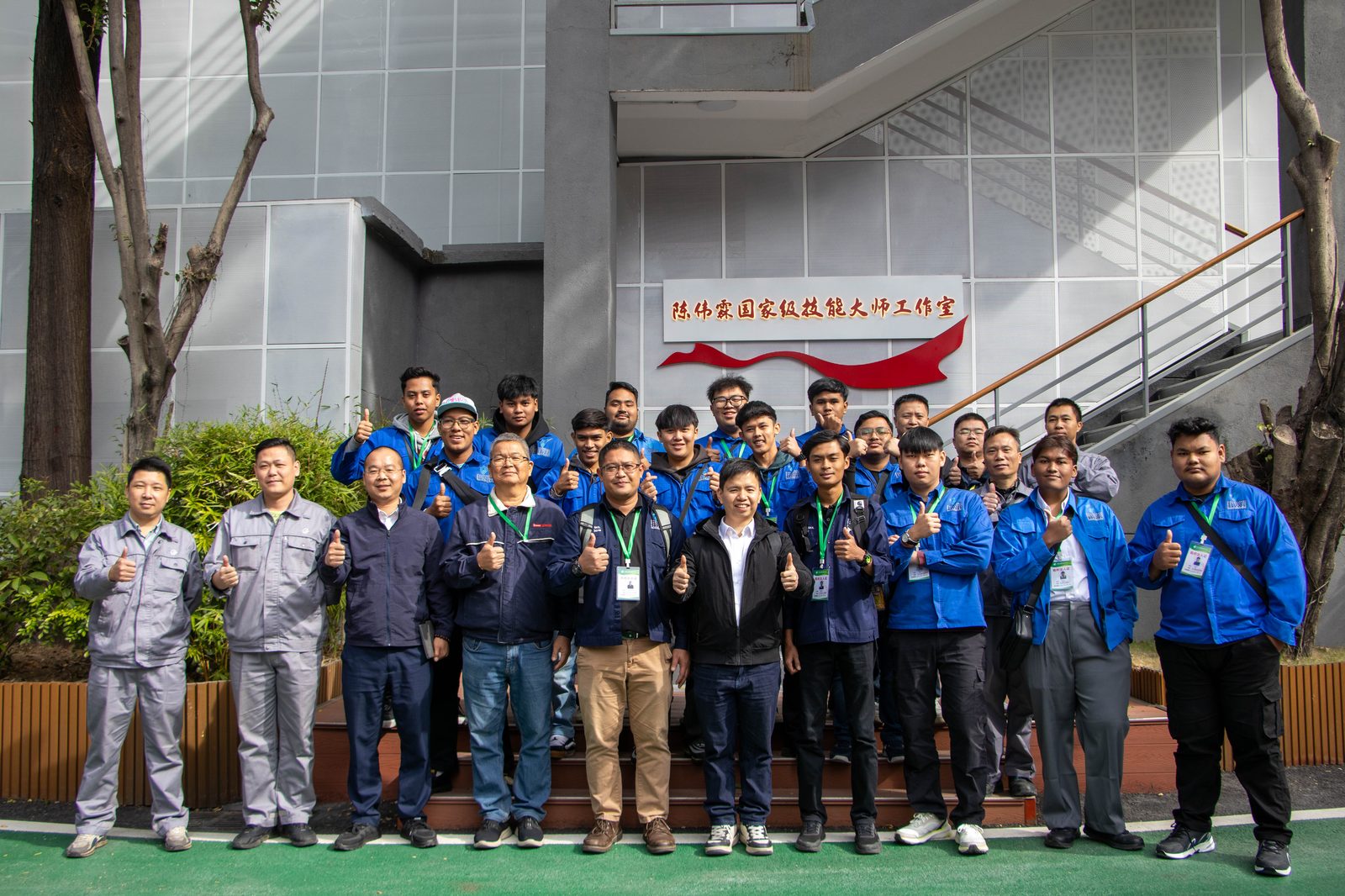
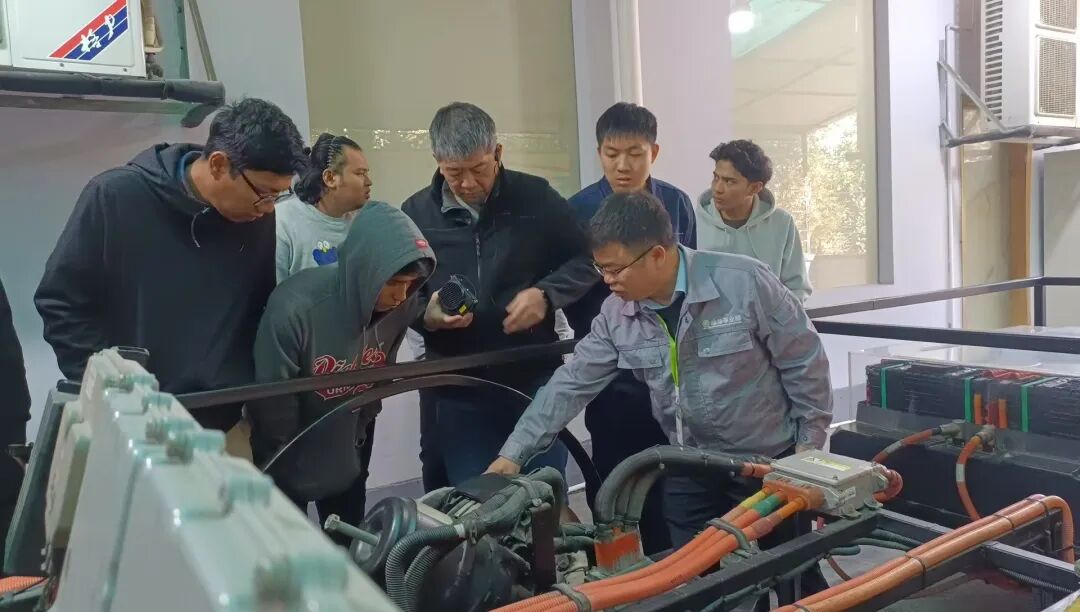
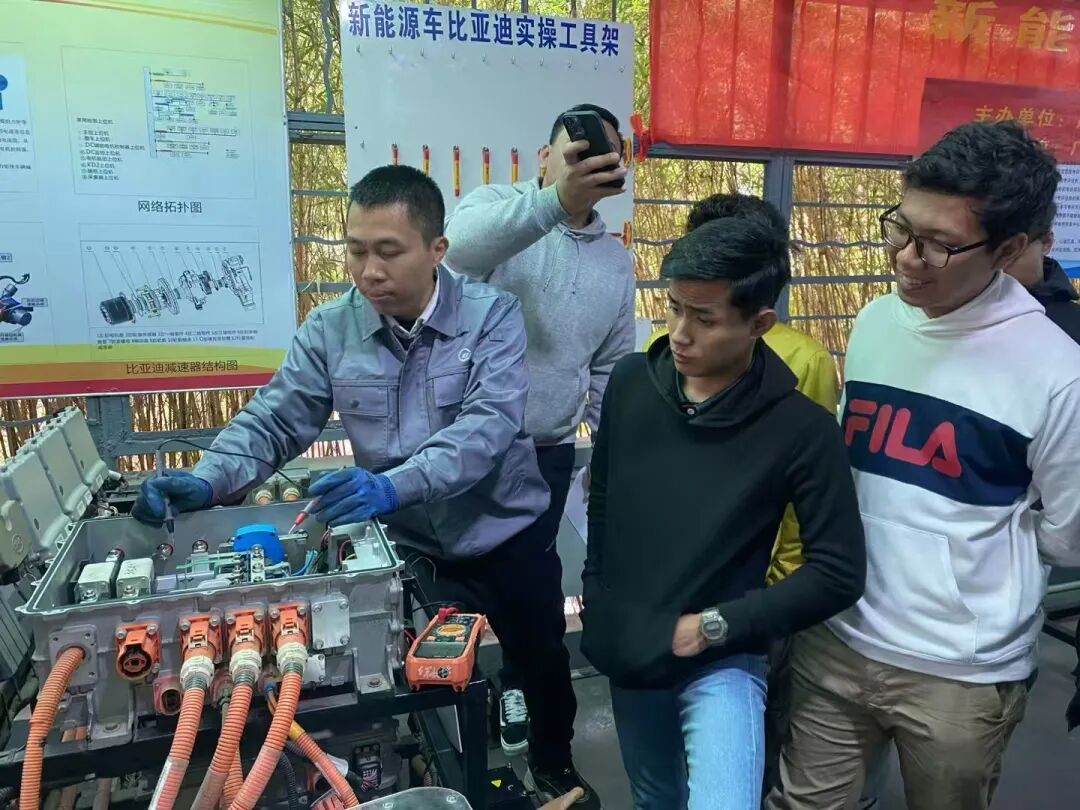
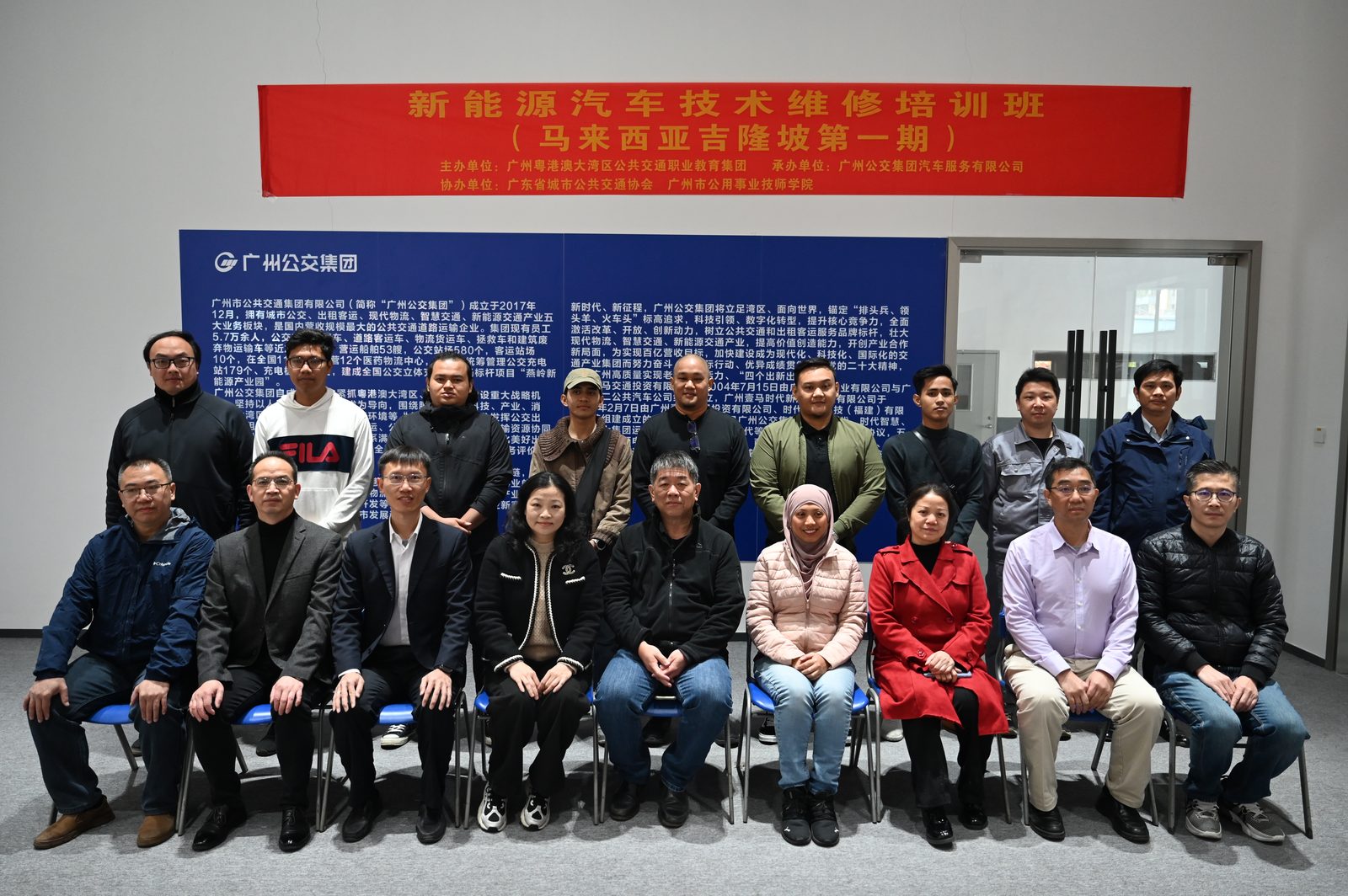
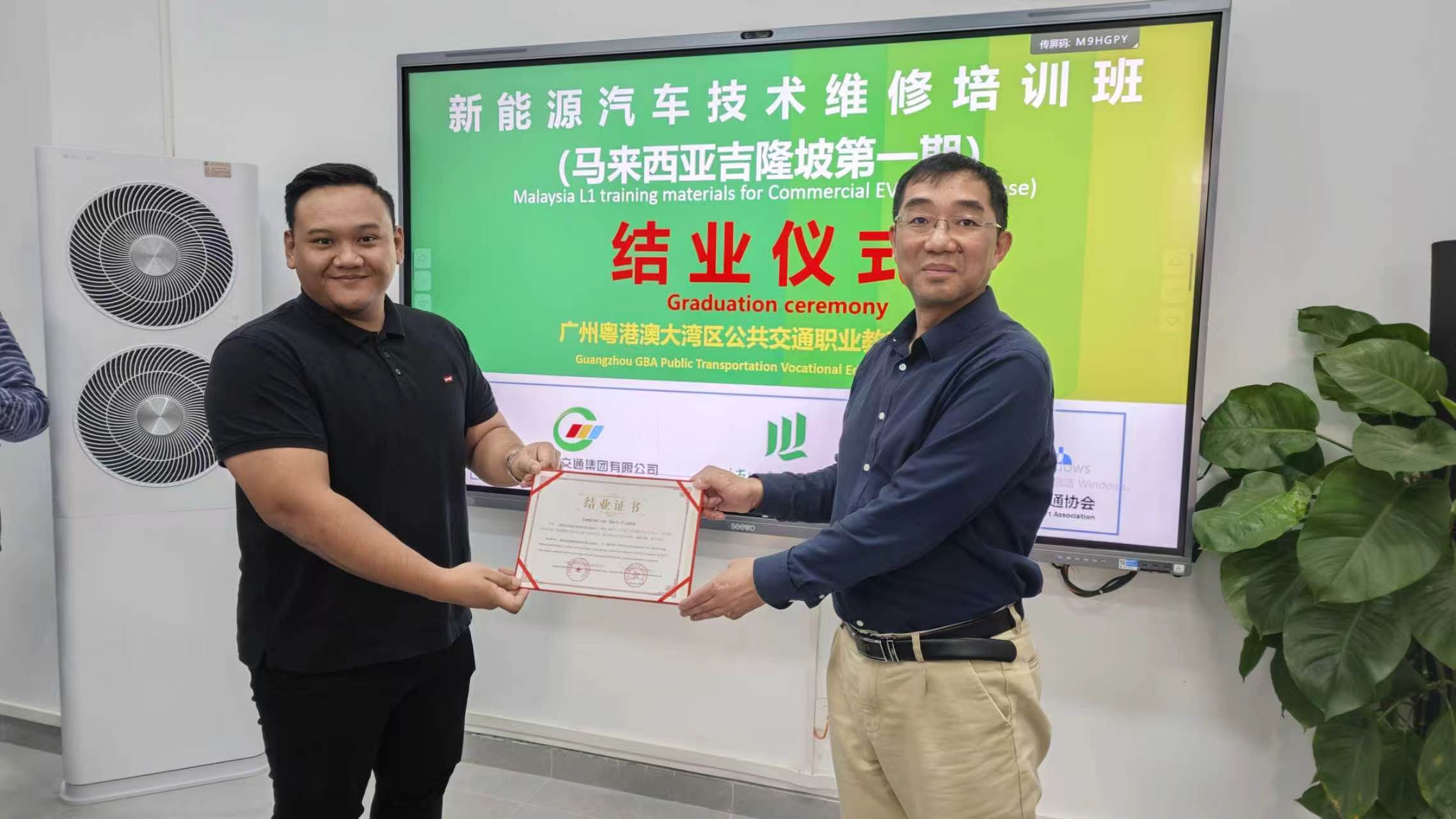
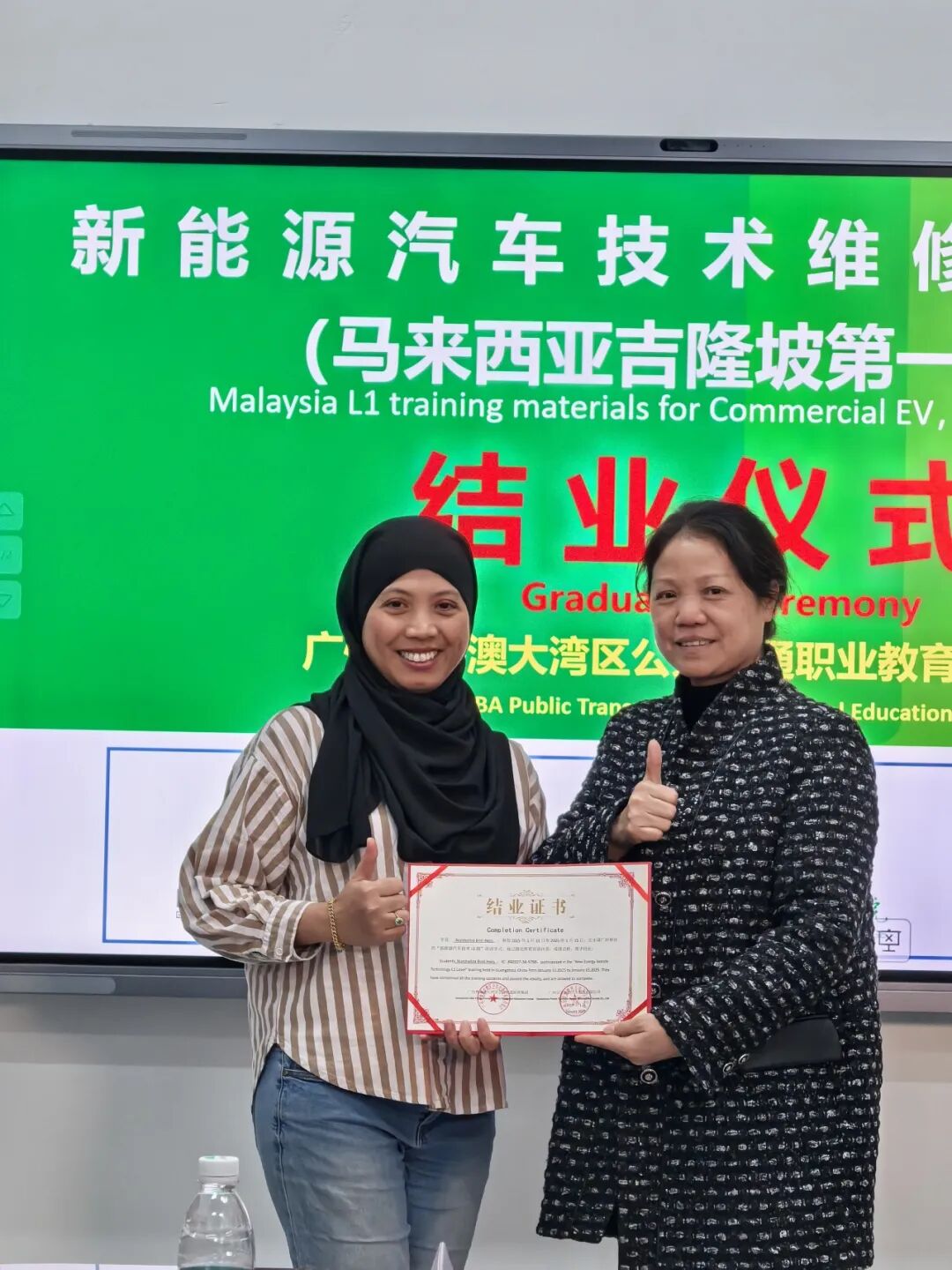
Real Training Sessions with International Technicians
Photos from recent sessions — technicians from Africa, the Middle East, Europe and Asia receiving hands-on instruction at our Guangzhou centre.
Meet Your Instructors
Certified NEV specialists from Guangzhou's public transport repair division
11 Certified NEV Specialists · 1 National Skill Master Workshop · 3 National Traffic Technology Experts · 4 Guangdong May 1 Labor Medalists

Chen Weilin
National Skill Master Workshop Lead
Senior NEV Technician · National May 1 Labor Medal · Expert in HV system safety and battery diagnostics

Zhang Yongyou
Battery Repair Specialist
Guangdong May 1 Labor Medal · Certified in battery pack repair and cell replacement procedures

Lin Zhongxin
BMS Diagnostics Specialist
Guangdong May 1 Labor Medal · Specialised in BMS data analysis and cell balancing techniques

Zeng Yuanqiang
NEV Repair Standards Author
Co-author of "Guangzhou NEV Repair Service Guidelines" · National Traffic Technology Expert
Our full training team includes 11 certified specialists from Guangzhou's public transport NEV repair division — all holding national or provincial technician credentials.
ICE vs. EV: How Is the Repair Work Different?
| Category | Traditional ICE Vehicle | New-Energy Vehicle (NEV) |
|---|---|---|
| Powertrain | Internal combustion engine + gearbox | Battery + motor + electronic controller (EV powertrain) |
| Energy Source | Fuel (combustion) | Electricity (high-voltage battery) |
| Key Repair Focus | Mechanical wear, fluids, seals | High-voltage insulation, battery health, software, data |
| Diagnosis Method | Experience, sound, generic scan tool | OEM diagnostic tool, data-stream analysis (EV parameters), remote diagnostics |
| Routine Maintenance | Oil changes, air/fuel/cabin filters, spark plugs | Battery coolant check, high-voltage harness inspection — no oil changes required |
| Primary Risks | Fire, heat, mechanical injury | High-voltage electrocution, battery thermal runaway |
| New Skills Required | — | High-voltage safety protocols, insulation testing, software diagnostics, CAN bus interpretation |
7-Day Training Schedule
📋 2026 Intake Dates: July 20–26 · August 17–23 · September 14–20. Maximum 10 participants per session. Detailed syllabus shared upon registration.
| Day | Time | Main Content | Format |
|---|---|---|---|
| Day 1 HV Safety & Architecture | Morning | EV repair certification requirements, high-voltage safety risk awareness, safe operation principles, and emergency response procedures. Hands-on: identify HV components and mark hazard points, don HV gloves and insulated footwear, perform power-off/voltage verification/discharge sequence, electric shock first-aid simulation. | Lecture + Hands-On + Case Study |
| Afternoon | EV industry classification, pure EV architecture, three-electric system (battery, motor, control), and thermal management overview. Hands-on: disassemble and observe battery module structure, inspect HV relay and fuse components, measure complete vehicle high-voltage circuit, BMS function walkthrough with diagnostic tool. | Lecture + Hands-On + Group Discussion | |
| Day 2 Motor System & Diagnostics | Morning | Drive motor principles and construction, motor controller (MCU) and vehicle control unit (VCU) fundamentals, EV-specific diagnostic scanner operation. Hands-on: examine stator and rotor structure, connect PC tool to MCU to read live data streams, monitor motor speed/torque/temperature in real time, read BMS battery data. | Lecture + Hands-On + Case Study |
| Afternoon | Power distribution unit (PDU), OBC and DC-DC converter, transmission architecture, CAN bus for the entire EV powertrain. Hands-on: locate PDU/OBC/DC-DC on a real vehicle, measure CAN network terminal resistance, use oscilloscope to capture CAN high/low signal waveforms. | Lecture + Hands-On + Case Study | |
| Day 3 Commercial Vehicle HV Systems | Morning | Commercial vehicle category overview, bus battery pack layout (LFP chemistry), battery thermal management strategies, high-voltage junction box (BDU) architecture. Hands-on: identify bus battery pack models and configurations, measure SOC/SOH with diagnostic tool, inspect battery cooling system, verify BDU relay operation. | Commercial Vehicle Workshop + Diagnostic Demo |
| Afternoon | Bus three-electric system integration layout, high-power DC fast-charging standards (GB/T 27930), bus cooling architecture and core HV components. Hands-on: map bus HV system layout, check insulation resistance with megohmmeter, inspect DC charging port and harness routing, connect diagnostic tool to read DTCs. | Commercial Vehicle Workshop + On-Site Demo | |
| Day 4 Commercial Charging & Motor Systems | Morning | Bus AC/DC charging characteristics (GB/T 27930 protocol), drive motor types (permanent magnet), motor controller features, auxiliary HV appliances. Hands-on: perform complete bus charging test, read motor controller operational data, measure three-phase stator windings, test HV auxiliary systems. | Commercial Vehicle Workshop + Charging Demo |
| Afternoon | Bus common fault analysis: no-power, no-charge, and motor error scenarios; bus diagnostic and maintenance procedures. Hands-on: simulate bus no-power fault and follow diagnostic flow, analyze charging faults (communication timeout, insulation failure), track motor controller DTCs. | Commercial Vehicle Workshop + Fault Simulation | |
| Day 5 HV Battery Testing & Pack Disassembly | Morning | Battery pack structure deep-dive, testing and maintenance equipment, module balancing principles, BMS fault diagnosis case studies. Hands-on: perform offline battery diagnostics, read SOC/SOH and cell balance data, measure individual cell voltages with multimeter, identify faulty BMS modules through case simulation. | Passenger Vehicle Workshop + Battery Testing Demo |
| Afternoon | Battery pack disassembly safety procedures, module replacement processes, pack sealing and waterproof testing. Hands-on: follow SOP to disassemble a battery pack, disassemble and reassemble battery modules, replace seal strips, conduct airtightness test on reassembled pack. | Passenger Vehicle Workshop + Dismantling + Sealing Test | |
| Day 6 Motor Testing & CAN Networks | Morning | Passenger-vehicle drive motor diagnostic methods, resolver working principle and signal analysis, PC tool multi-system data integration, common motor controller fault patterns. Hands-on: measure motor stator windings and resolver pins, use oscilloscope to capture resolver sin/cos signals, read motor controller DTCs, analyze operational trends to identify abnormalities. | Passenger Vehicle Workshop + Oscilloscope Training |
| Afternoon | CAN network fault classification, voltage and resistance testing methodology, DBC file introduction for CAN message decoding, diagnostic tool deep-data analysis. Hands-on: measure CAN-H/CAN-L voltage levels, detect open-circuit/short-circuit/parallel termination faults, identify high-speed vs local CAN segments, locate CAN fault nodes. | Passenger Vehicle Workshop + CAN Testing + Deep Diagnostics | |
| Day 7 Comprehensive Diagnosis & Graduation | Morning | Comprehensive fault diagnosis: no-power fault (low-voltage + HV interaction), charging system troubleshooting, CAN network communication faults, multi-system cross-correlation analysis. Hands-on: set composite fault scenario, follow standardized diagnostic flow, simulate and analyze charging faults, read multiple ECU streams simultaneously to analyze fault correlations. | Passenger Vehicle Workshop + Fault Simulation |
| Afternoon | Course conclusion: theory review (Days 1–4), commercial and passenger vehicle practical reinforcement, diagnostic tool comprehensive review, course Q&A, joint certificate presentation ceremony. Hands-on: comprehensive composite fault drill, diagnostic tool data analysis exercise, fault diagnosis report writing, student results showcase. | Workshop + Summary + Graduation Ceremony |
Intermediate and advanced customised programmes are also available — contact us with your specific training requirements.
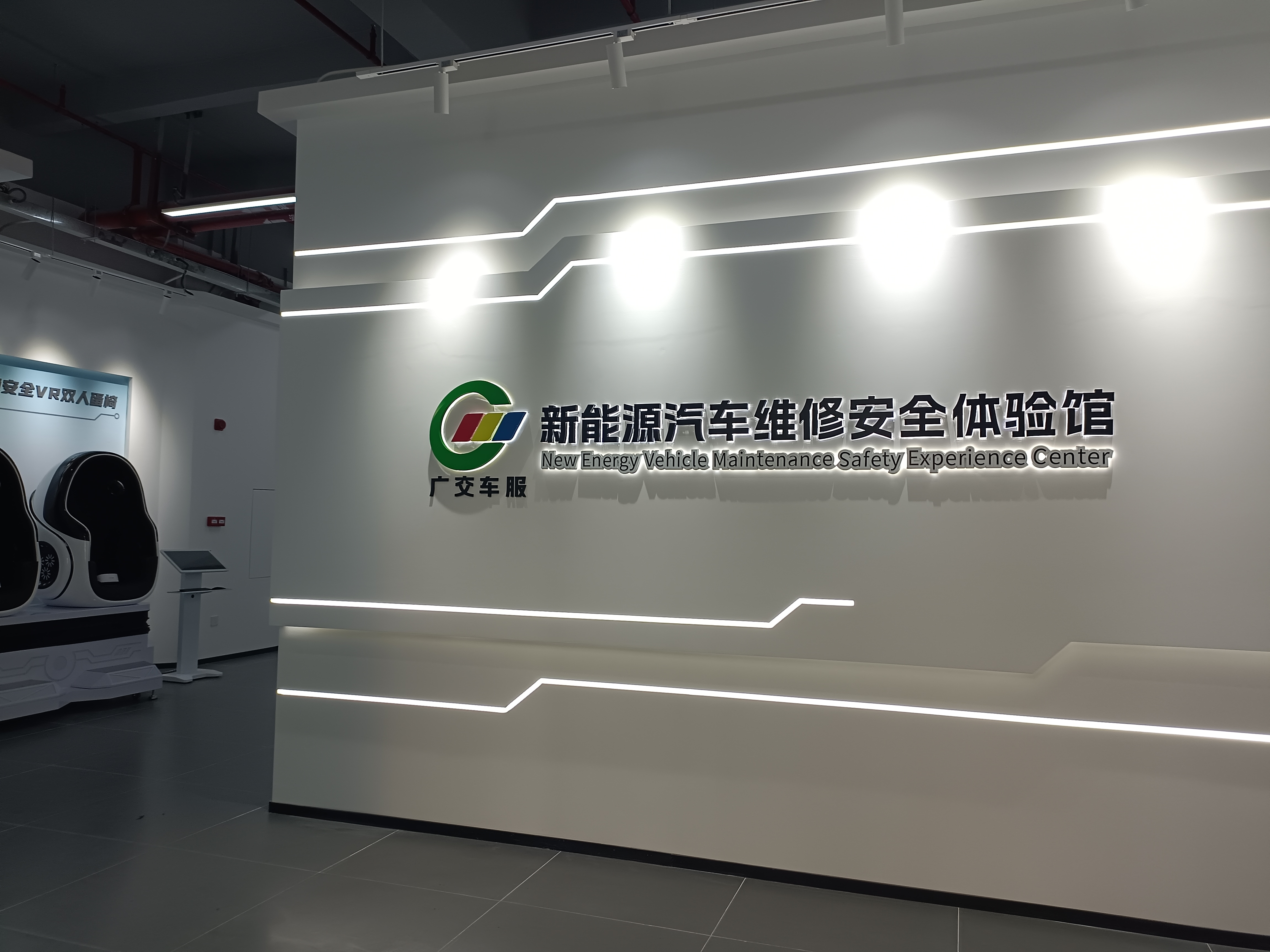
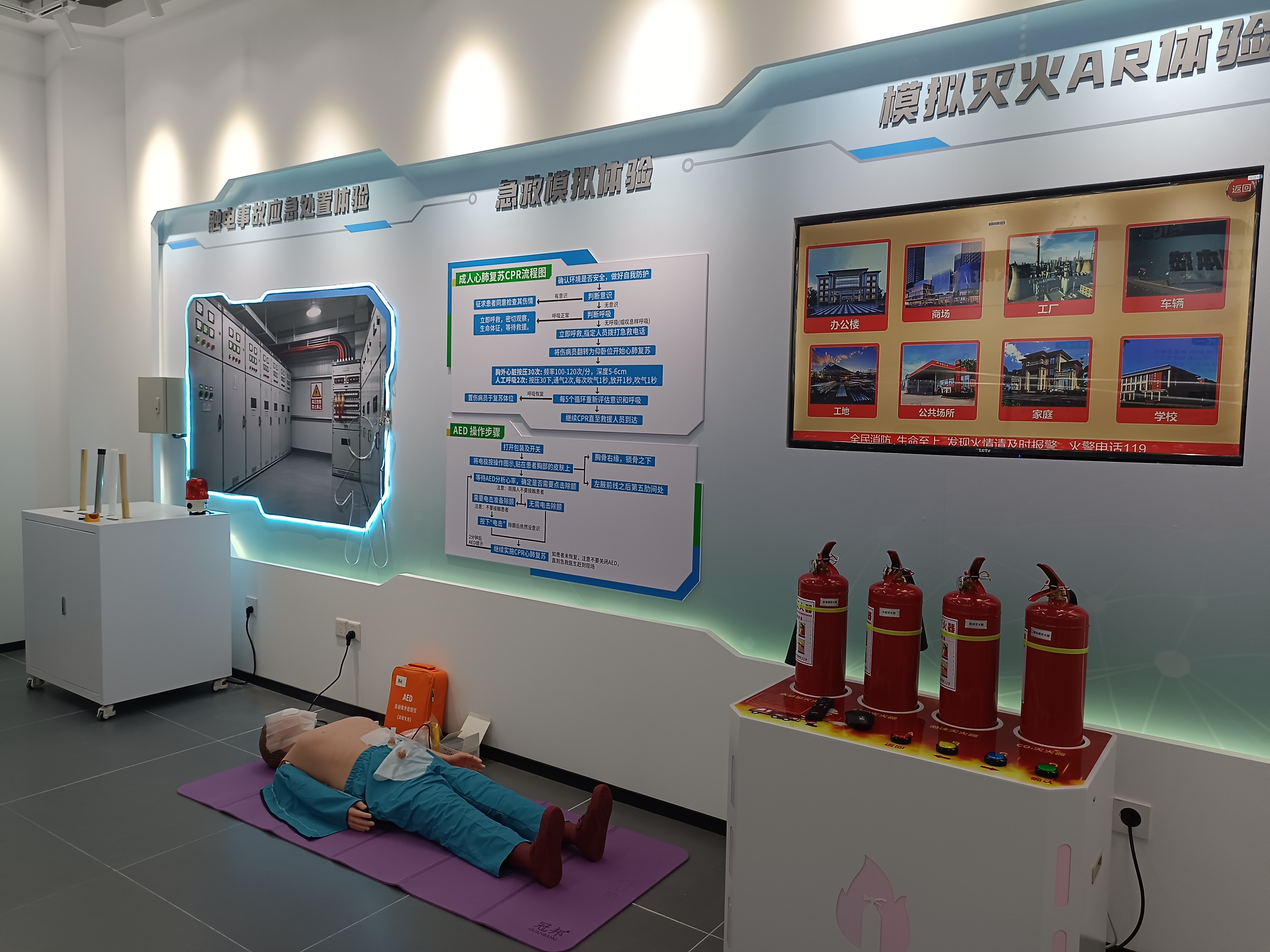
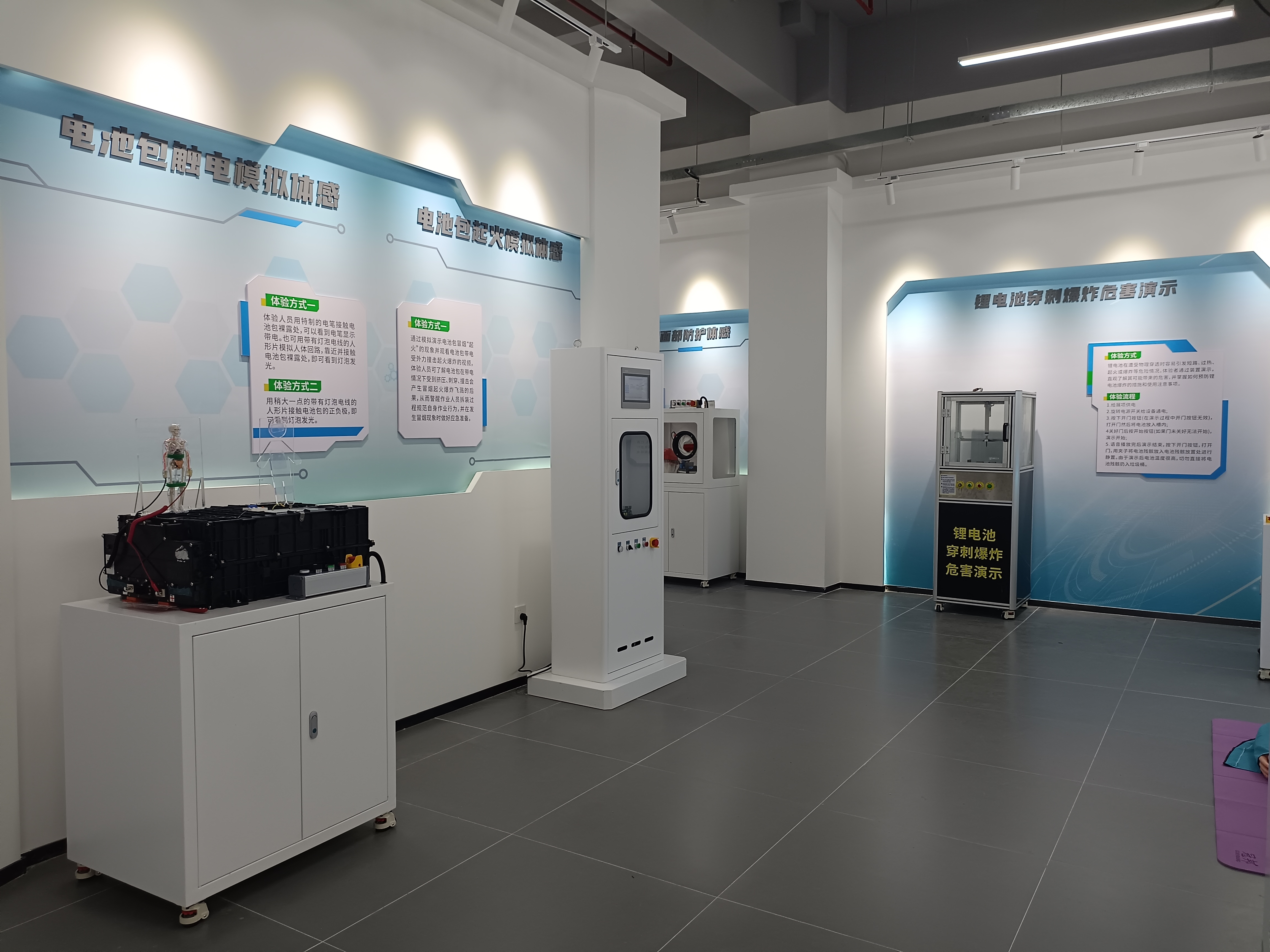
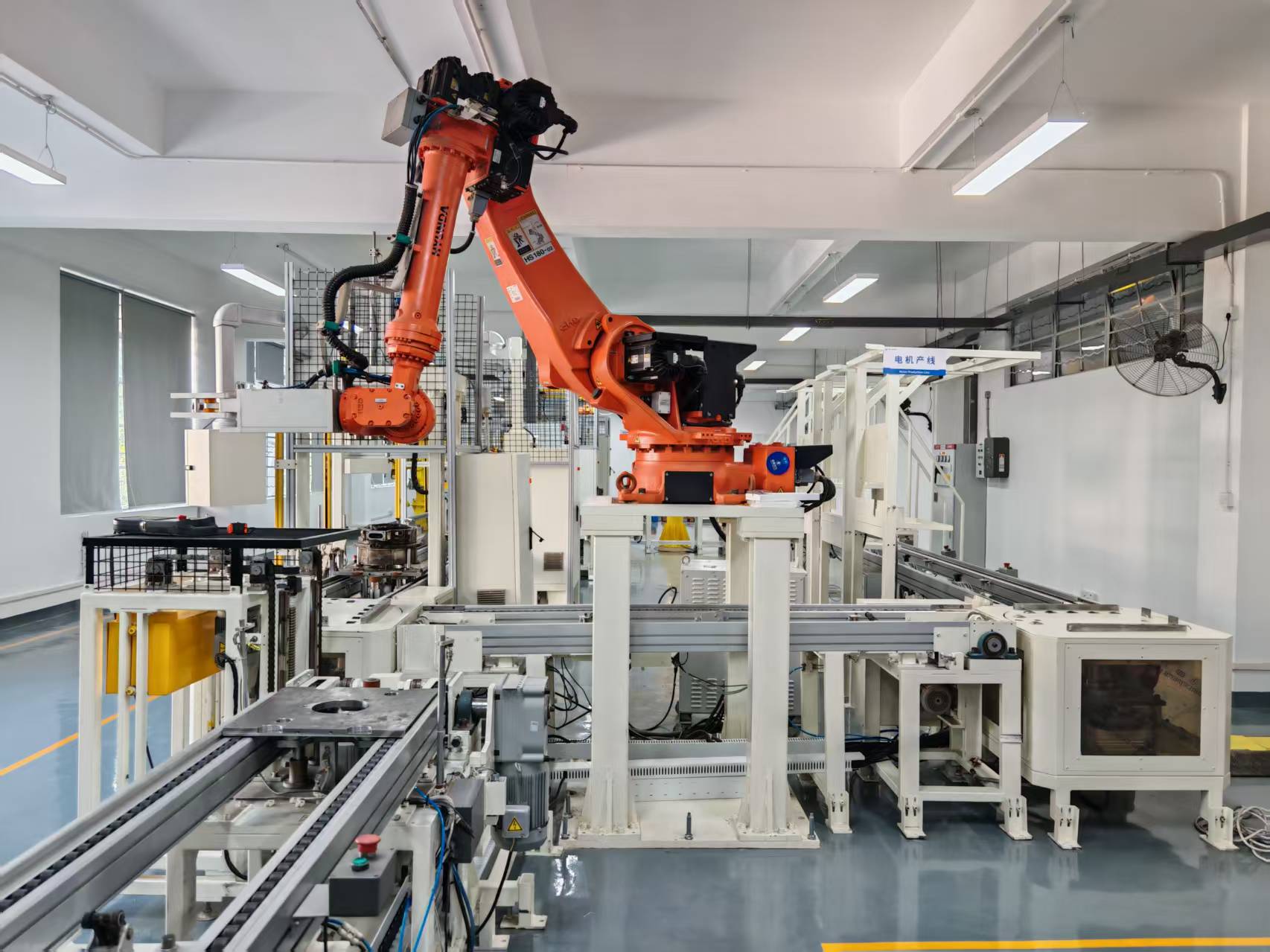
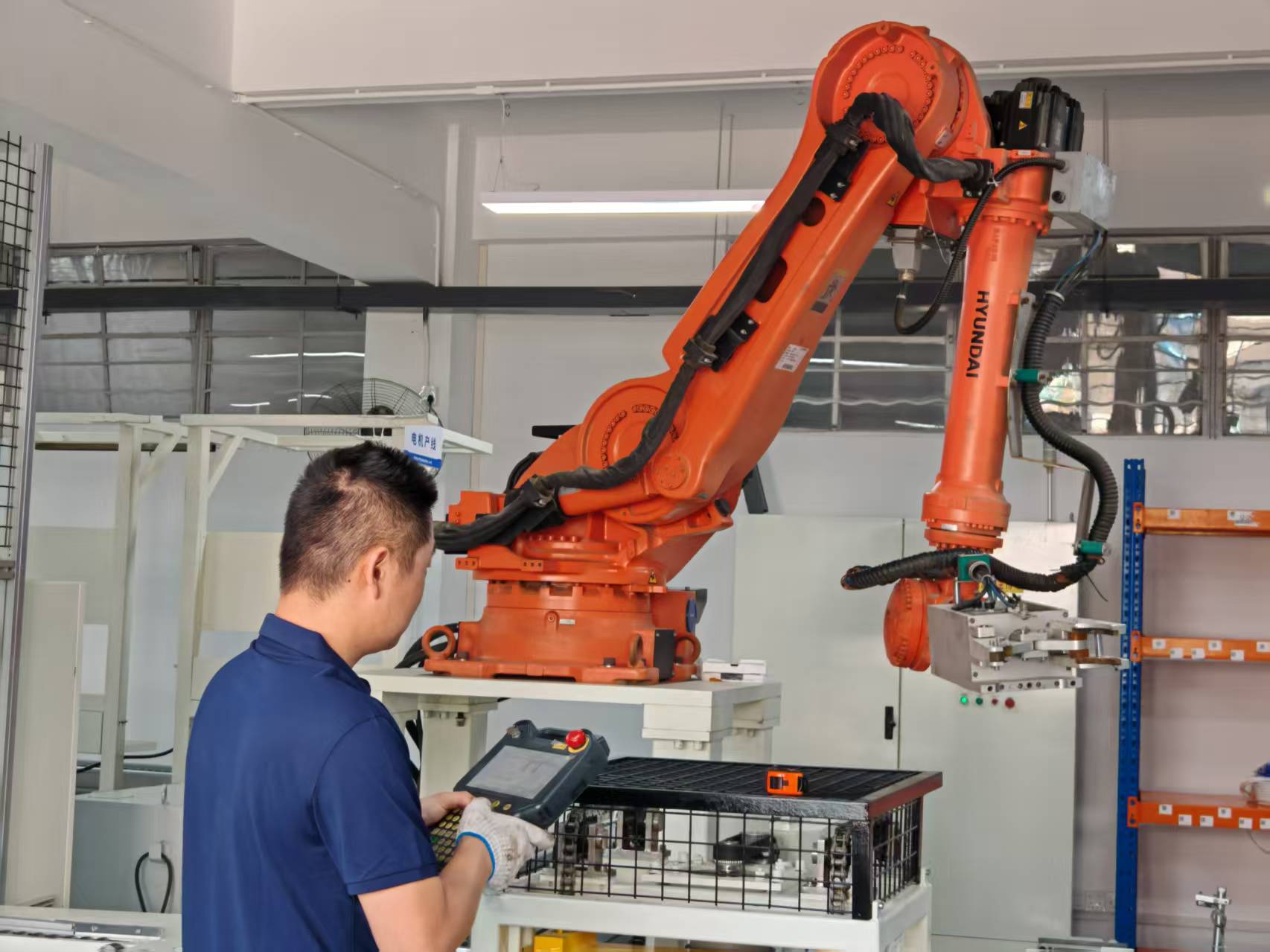
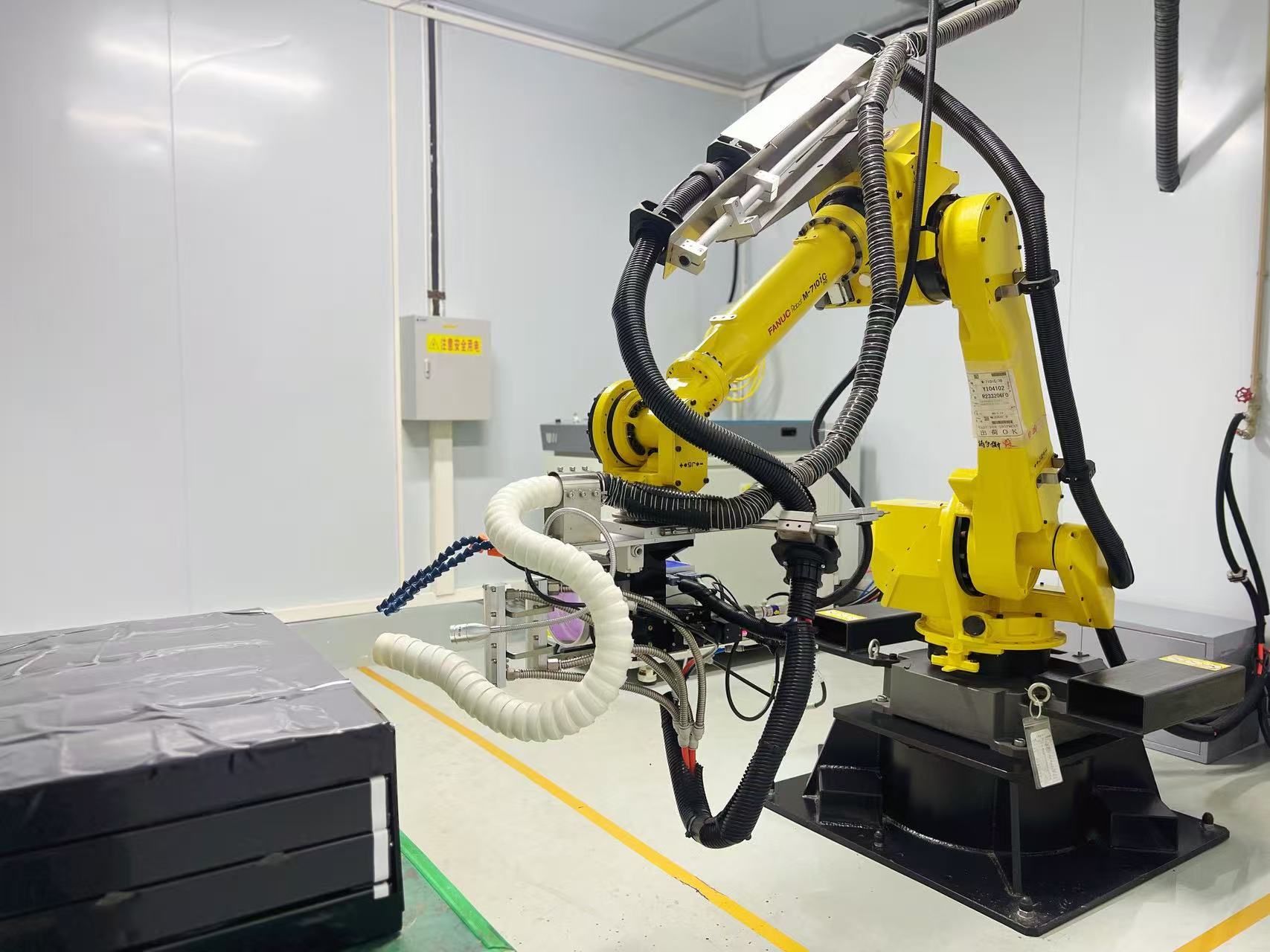
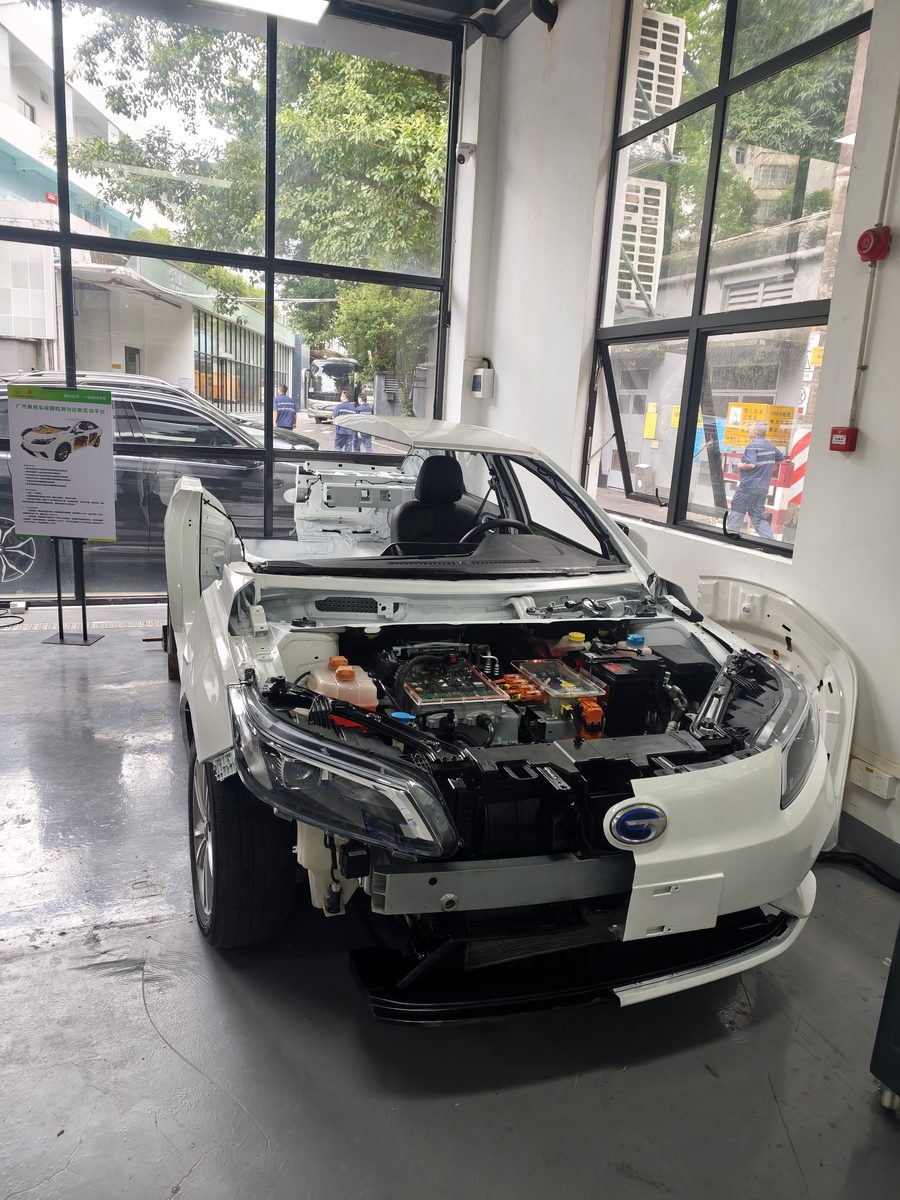
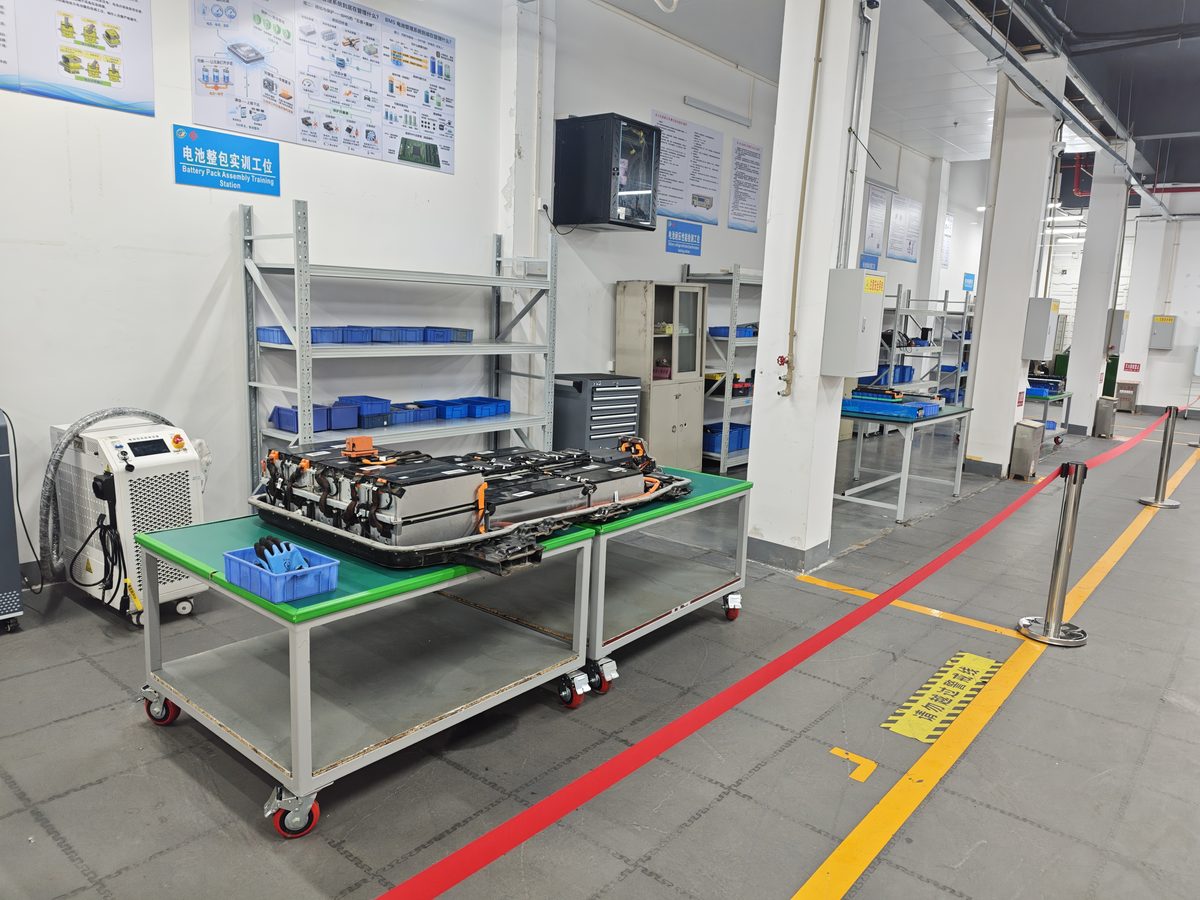
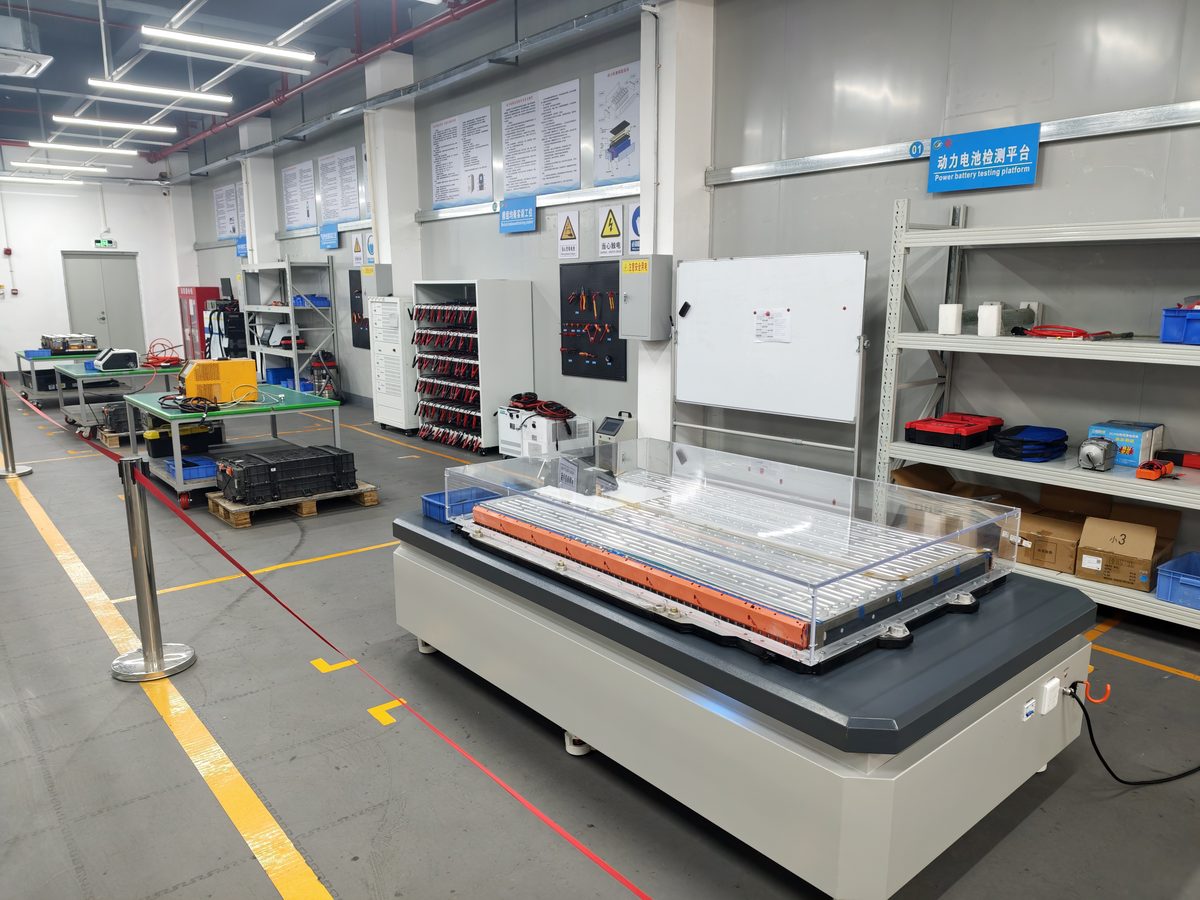
Training Facility & Equipment
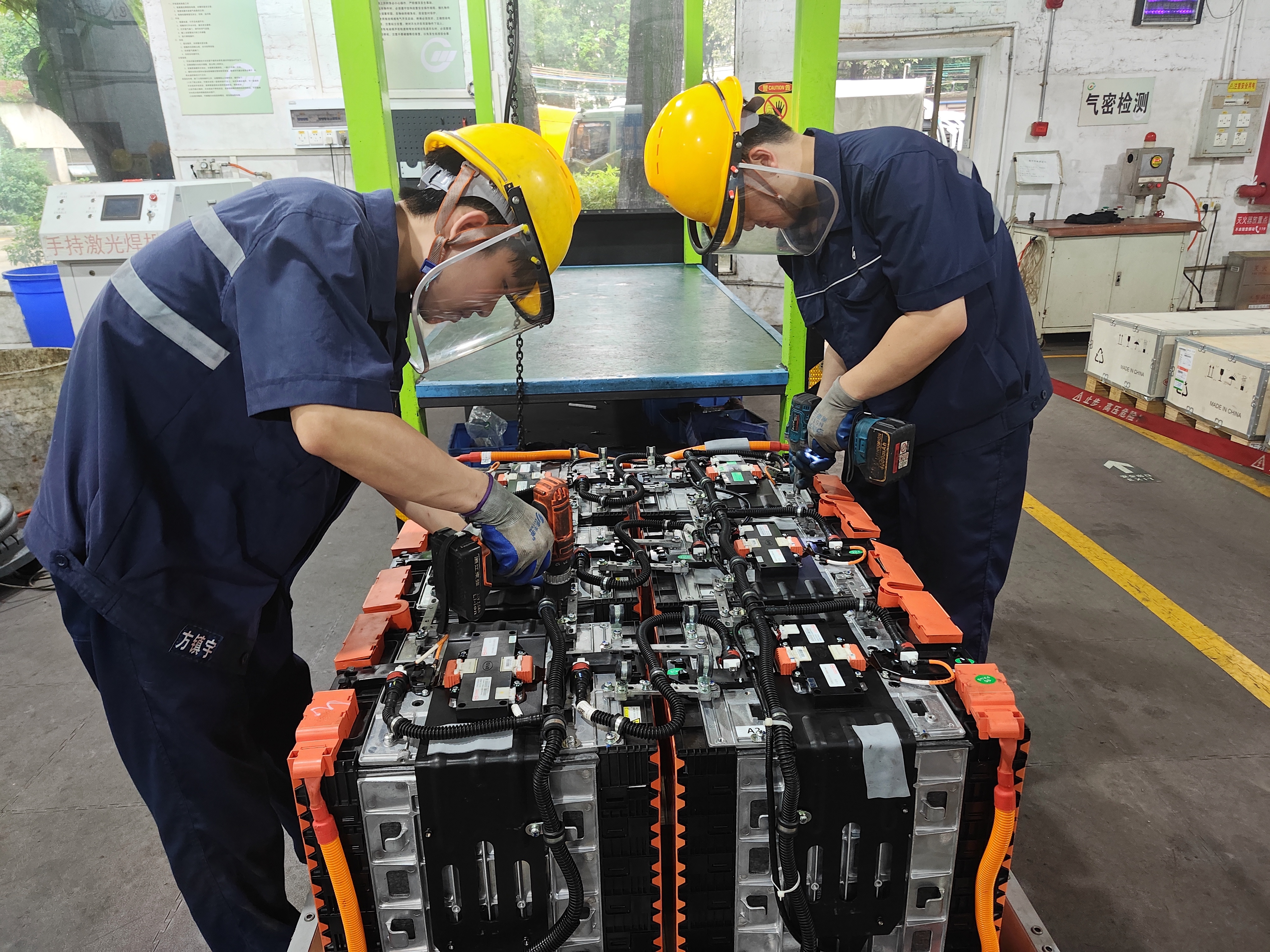
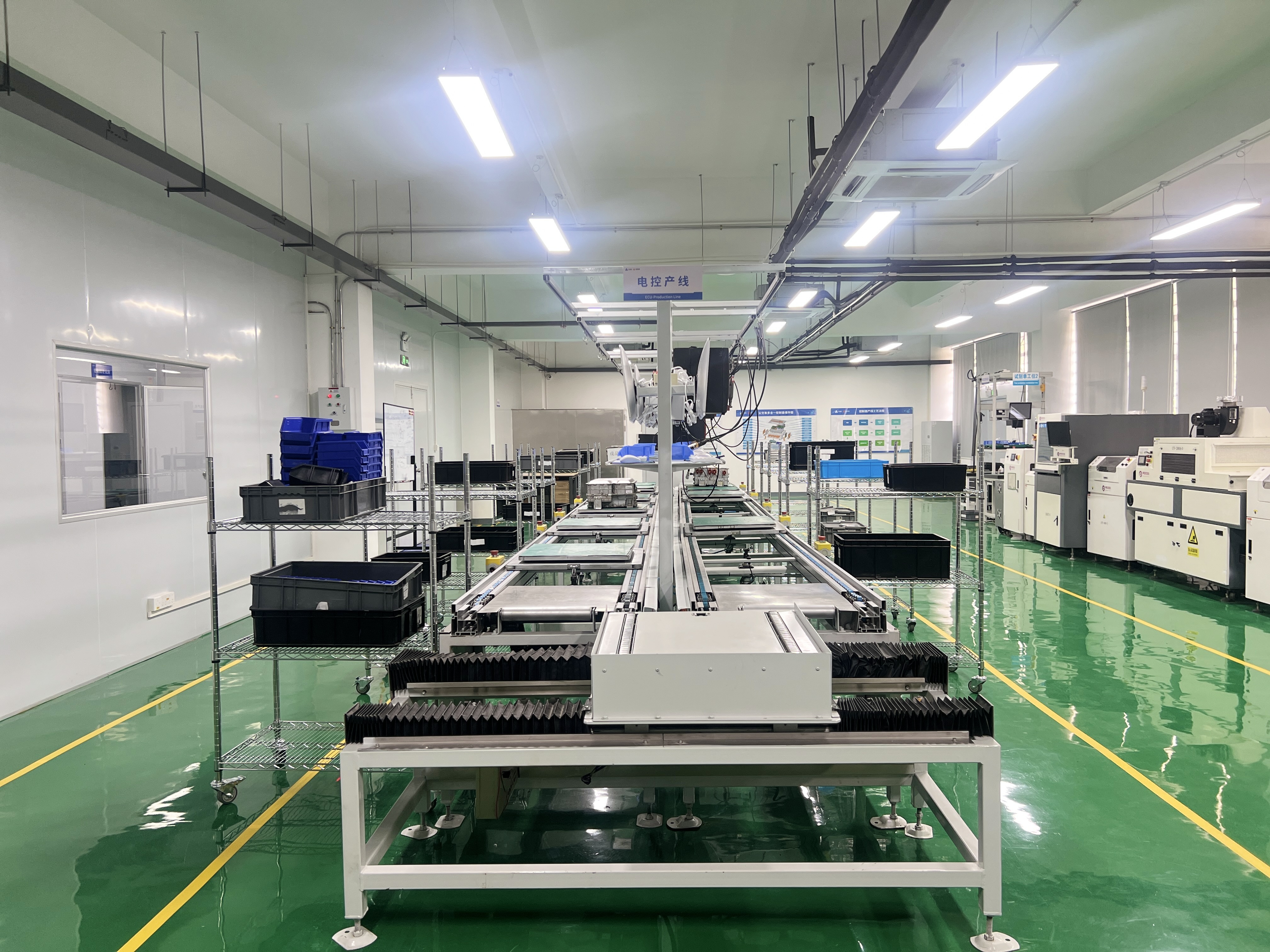
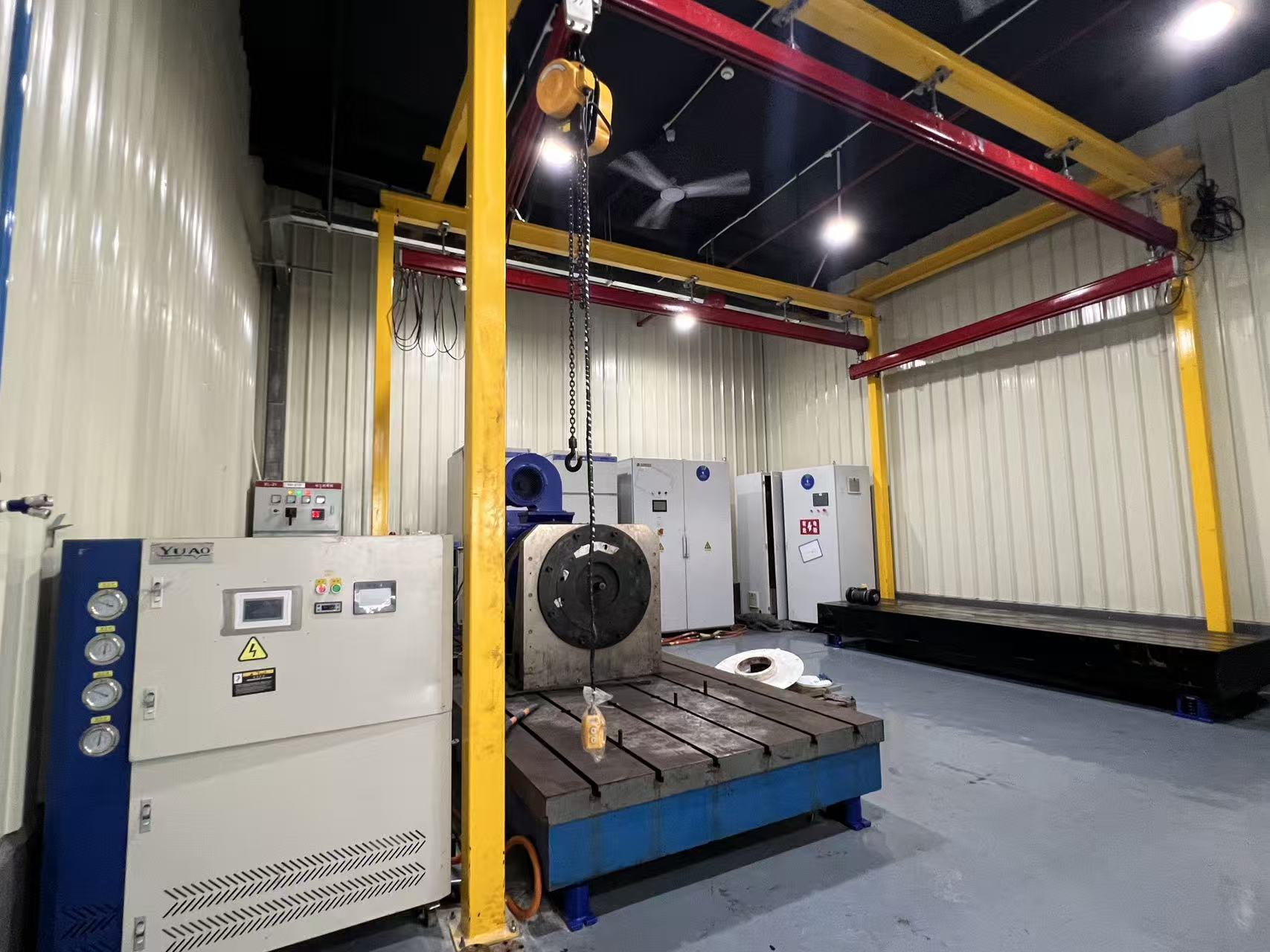
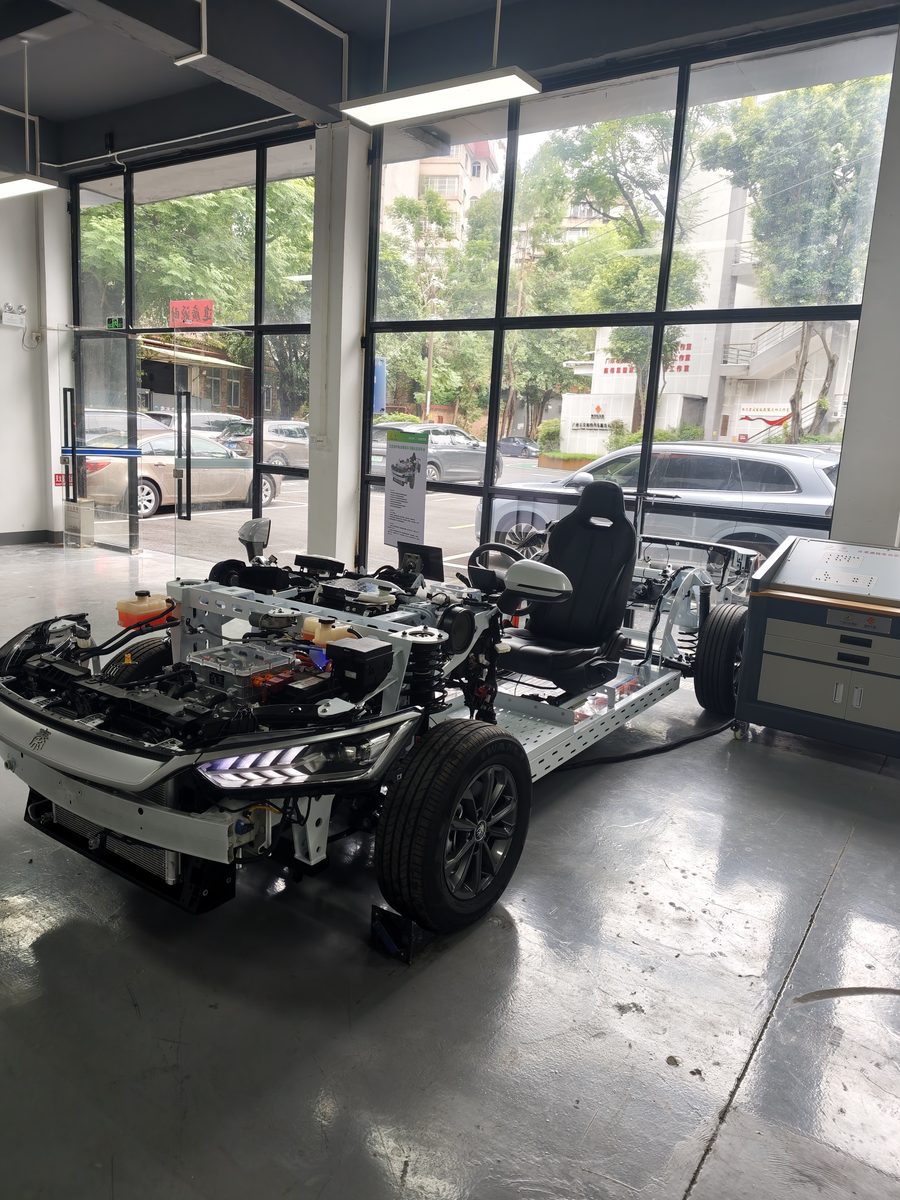
Real photos from our Guangzhou training centre — professional repair bays, diagnostic tools, and hands-on practice environment.
Fees & Inclusions
The fee covers all of the services listed below — no hidden charges.
What's Included
Frequently Asked Questions
Everything overseas workshops need to know before enrolling
Where is the training held?
The training is held in Guangzhou, Guangdong Province, China, at a partner EV repair facility equipped with professional workshop bays, diagnostic tools, and real vehicles for hands-on practice.
What are the upcoming training dates for 2026?
Scheduled intake dates are: July 20–26, August 17–23, and September 14–20. Each session runs for 7 consecutive days. Due to the small class size (maximum 10 participants), sessions fill quickly — early registration is recommended.
How many participants are accepted per training session?
To ensure training quality and sufficient hands-on time for every trainee, each session is limited to a maximum of 10 participants. This small-group format means every trainee receives direct instructor guidance during all practical exercises.
How much does the 7-day training cost and what is included?
The fee is CNY 15,000 per person (Early Bird, first 50 seats; standard price CNY 23,800 thereafter). This covers: a senior EV repair instructor and teaching assistant, on-site English interpretation throughout, a joint certificate from Nevfix.net and the partner repair facility, digital training materials, hands-on workshop sessions, shared twin-room accommodation, and breakfast and lunch. Dinner and local transportation are not included.
Are there any discounts available?
Individual enrolment is currently offered at the Early Bird price of CNY 15,000 (limited to the first 50 seats). If you enrol together with another participant, the second person pays CNY 13,000. Contact us for group enrolment details. The Early Bird rate will close once 50 seats are filled — standard pricing of CNY 23,800 applies thereafter.
What happens if I have paid but cannot obtain a Chinese visa?
EV repair training sessions are held monthly. If you are still unable to obtain a Chinese visa after three months from your payment date, we will refund your tuition in full, less a RMB 500 administrative fee for issuing the invitation letter. We provide an official invitation letter to support your visa application.
What certificate do graduates receive?
Graduates receive an official completion certificate jointly issued by Nevfix.net and the partner repair facility in Guangzhou. This certificate verifies hands-on competency in Chinese EV high-voltage safety, diagnostics, and repair procedures.
Is intermediate or advanced-level training available?
Yes. The intermediate course requires prior EV repair training experience; the advanced course requires hands-on EV repair work experience. Please provide details of your completed courses and the specific topics you wish to focus on, and we will design a customised programme tailored to your needs.