📌 Case Status: Technical diagnosis and disassembly planning completed. Equipment quotation and logistics evaluation for Uruguay were in progress as of August 2026. This page will be updated as the case progresses.
Key Technical Answers
What causes EV battery insulation faults in Chinese electric vehicles?
Insulation faults in Chinese EV battery packs are typically caused by moisture ingress, physical damage to cell casings, adhesive degradation inside glued battery structures, or cumulative thermal stress. In this Uruguay case, the fault was located in two long modules within a Geely Geometry battery pack (BE67) with CATL LFP cells. NEV Fix engineers provided remote diagnosis to identify the affected area.
Can CATL LFP cells be frozen safely for battery disassembly?
Yes. Static freezing of CATL LFP cells at approximately -35°C without charging or discharging is generally reversible. Electrolyte viscosity increases temporarily but returns to normal after warming. NEV Fix recommends SOC between 20-40% before freezing and re-testing insulation resistance after thawing. Full procedures are covered in battery repair training.
What equipment is needed for glued EV battery pack disassembly?
Glued battery packs require a specialized freezing disassembly system like the HYL-5/3, which cools from 26°C to -60°C in ~120 minutes. The low temperature embrittles the adhesive, allowing clean module separation without mechanical force. Conventional tools risk cell short circuits. Equipment can be sourced through NEV Fix workshop setup services.
Can overseas workshops get remote Chinese EV battery repair support?
Yes. NEV Fix provides remote technical support to overseas workshops facing Chinese EV battery challenges — including fault diagnosis, freezing disassembly planning, equipment sourcing, and structured training. The Uruguay case shows how a single insulation fault diagnosis evolved into equipment procurement and training discussions within 48 hours.
📌 Key Takeaways
- 🧊Geely Geometry BE67 battery pack (CATL LFP cells) has a glued/potted structure that cannot be opened with conventional workshop tools — confirmed by NEV Fix engineers through remote photo analysis of the pack sent by the Uruguay workshop.
- 🔋For this case, NEV Fix advised maintaining SOC at 20-40% before initiating freezing disassembly — this range balances safety during the process with sufficient charge for post-thaw diagnostic testing.
- 🌡️Actual cell temperature was expected to stabilize at approximately -35°C for this case, while the freezer chamber cools to -60°C — static freezing (no charge/discharge) was considered generally reversible for the LFP cells discussed.
- ⚙️The HYL-5/3 disassembly freezer cools from 26°C to -60°C in ~120 minutes and is supplied by NEV Fix with operation training, technical manuals, and ongoing remote engineering support.
Technical Parameters at a Glance
| Item | Case Information |
|---|---|
| Vehicle / battery | Geely Geometry BE67 |
| Cell chemistry | CATL LFP |
| Fault | Insulation fault |
| Battery structure | Glued/potted assembly |
| Equipment discussed | HYL-5/3 |
| Chamber target | Up to -60°C |
| Expected cell temperature | Approx. -35°C |
| Pre-freezing SOC discussed | 20-40% |
| Cooling cycle | Approx. 120 min from ~26°C to -60°C chamber temperature |
| Case status | Diagnosis and equipment planning completed |
Chinese electric vehicles are expanding rapidly in Latin America, Africa, the Middle East, and CIS markets — but aftermarket support infrastructure has not kept pace. Independent workshops increasingly encounter complex battery faults in Chinese-made EVs, with limited access to OEM tools, wiring diagrams, or engineering support. NEV Fix provides remote technical support and battery repair training to bridge this gap.
This case from Uruguay demonstrates how a professional EV workshop facing a Geely Geometry battery pack insulation fault received remote engineering support from NEV Fix — and how that single diagnosis grew into discussions about specialized equipment procurement, technician training, and long-term technical partnership.
1. Why Overseas Workshops Need Chinese EV Technical Support
When a Chinese-branded EV arrives at a workshop in Uruguay, Kazakhstan, or Nigeria, the technician faces several obstacles that do not exist for European or Japanese vehicles:
- No OEM diagnostic tools. Geely, BYD, and other Chinese manufacturers' proprietary diagnostic software is often unavailable or not localized for overseas markets.
- No wiring diagrams or battery documentation. Service manuals and battery pack structures — glued assemblies, potting compounds, module layouts — are primarily published in Chinese and rarely distributed to independent workshops abroad.
- No engineering support. Independent workshops may have limited access to OEM engineering documentation or localized technical support, depending on the brand and market.
This is where NEV Fix remote support fills the gap. Our engineers in China have direct experience with the battery packs, diagnostic procedures, and repair techniques that overseas workshops cannot access locally. The Uruguay case below is a practical illustration of this model in action.
2. The Challenge: A Geely Geometry EV Battery Pack With Insulation Fault
In early August 2026, a professional EV repair workshop in Uruguay — a team specializing in high-voltage system diagnosis and repair — contacted NEV Fix through WeChat. Their challenge: a Geely Geometry electric vehicle battery pack (model BE67, equipped with CATL lithium iron phosphate cells) was showing an insulation fault.
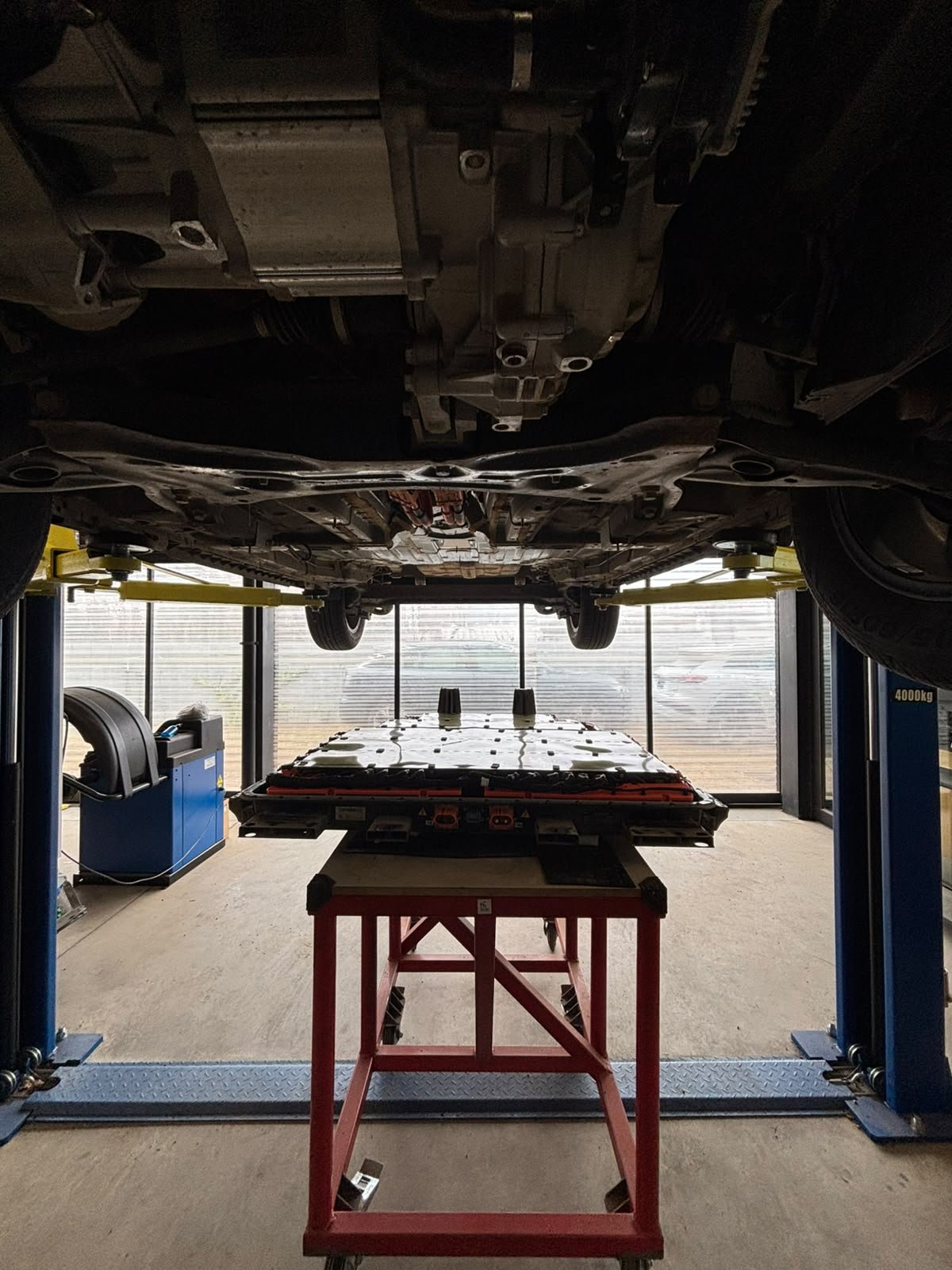
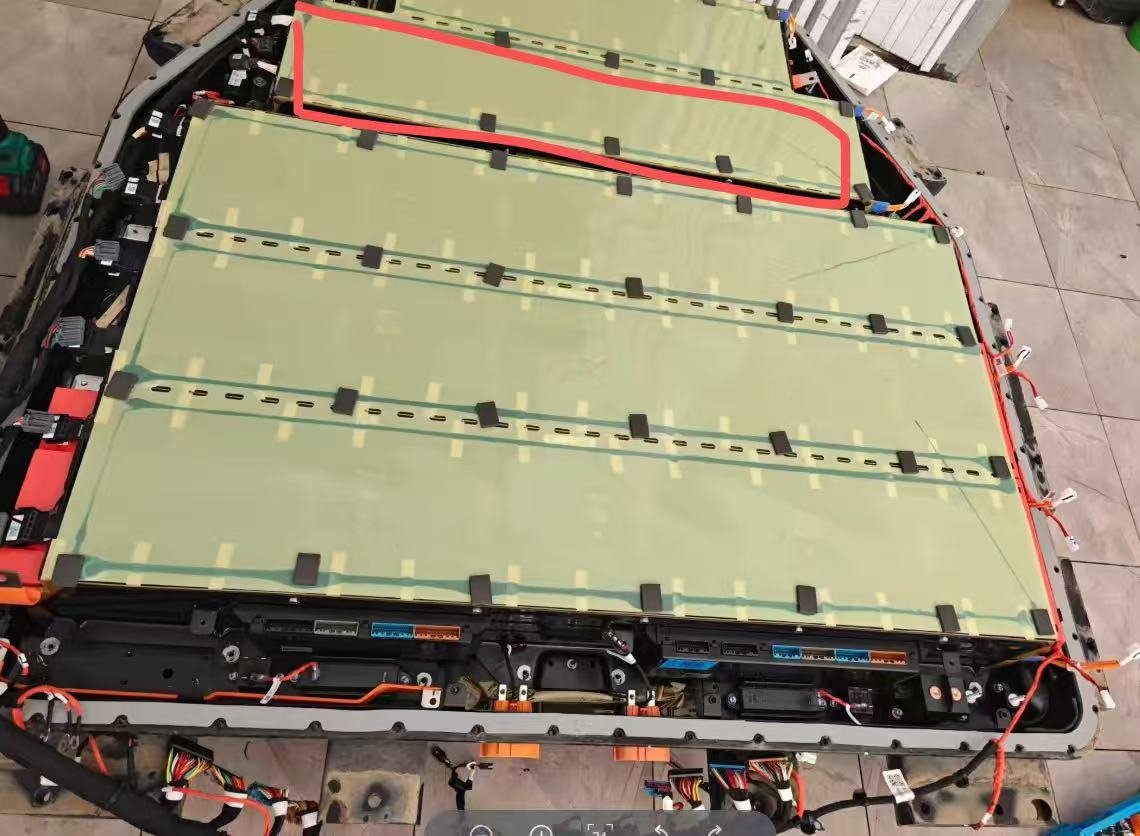
The insulation fault was located in the smaller section of the battery pack, affecting two long modules. The workshop's critical problem, however, was not the fault itself — it was the pack's physical structure. The metal support brackets inside the pack were bonded to the aluminum housing with industrial adhesive, forming a glued/potted assembly that could not be opened with standard workshop tools or conventional disassembly methods.
Forcing the pack open without understanding the adhesive structure risked short circuits, cell deformation, and irreversible damage to a battery pack worth thousands of dollars. The Uruguay team — despite their EV repair experience — had never encountered a glued battery structure of this type, and had no access to the manufacturer's internal documentation.
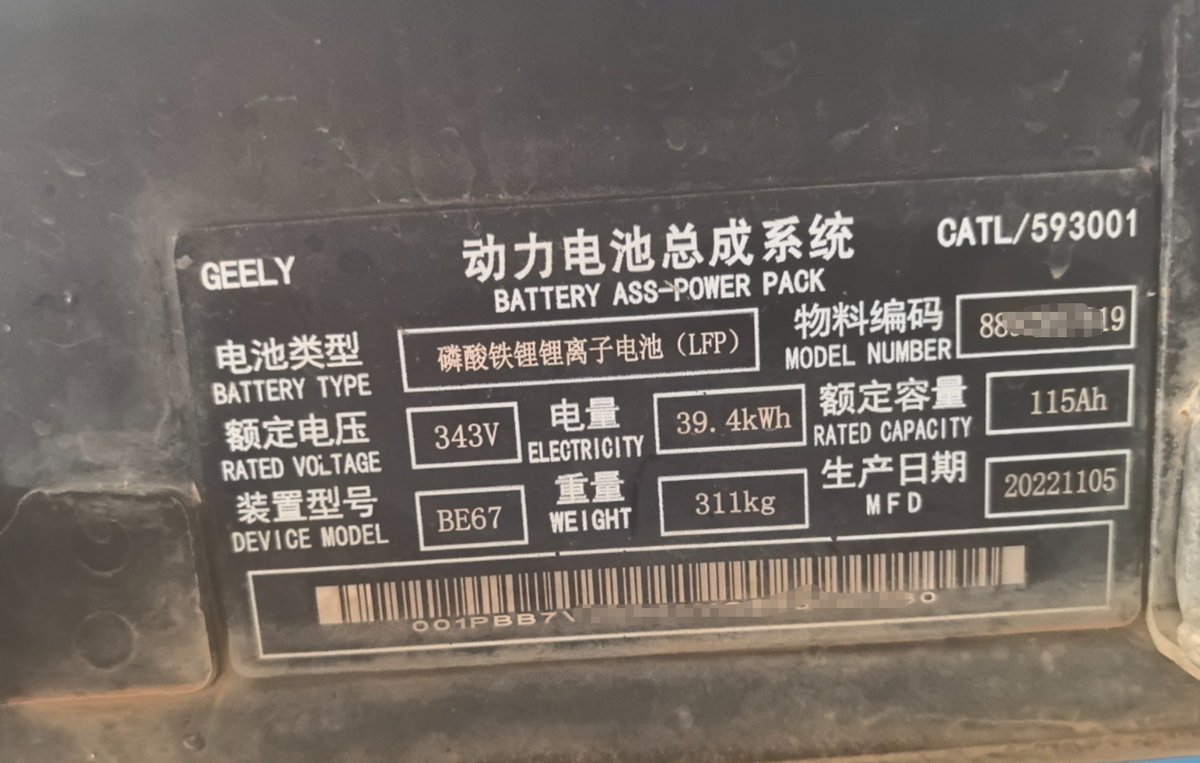
They needed answers to questions that no local resource could provide: Is this pack a CTP (cell-to-pack) structure? What adhesive is used? Can the modules be separated safely? And critically — what equipment is needed to do so?
3. Remote Diagnosis Process: Expert Consultation Across 12 Time Zones
With Uruguay 12 hours behind China (UTC-3 vs. UTC+8), the entire diagnosis was conducted asynchronously through the NEV Fix WeChat coordination group. Each round of questions and answers crossed the time zone gap — Uruguay's morning was China's evening, and vice versa. Despite this, the battery structure and a viable technical path were assessed within approximately 48 hours.
3.1 Initial Assessment and Expert Discussion
The diagnostic process began when the NEV Fix coordinator connected the Uruguay workshop with Chinese battery engineers. The initial assessment from NEV Fix's battery equipment specialist suggested the pack might be a CTP (cell-to-pack) potted battery — a structure known in the Chinese EV industry to require specialized freezing equipment for safe disassembly.
However, a senior battery technician on the team raised an important correction: based on the pack's external appearance and known model characteristics, this specific Geely Geometry battery pack was not a CTP structure. The technician advised requesting internal photographs to confirm the exact type of adhesive and potting compound used before recommending equipment.
This exchange — from initial hypothesis to expert correction — is worth highlighting. It demonstrates a core advantage of NEV Fix's multi-engineer collaboration model: rather than relying on a single opinion, multiple specialists cross-check each other's assessments before a technical path is finalized. For overseas workshops with no access to Chinese OEM documentation, this verification step significantly reduces misdiagnosis risk.
3.2 Battery Structure Confirmation
After the Uruguay team shared internal photographs of the battery pack, the NEV Fix engineers confirmed the structure. The battery pack was divided into two sections — a larger and a smaller one — that come out as complete sub-assemblies. The insulation fault was located in the smaller section's two long modules.
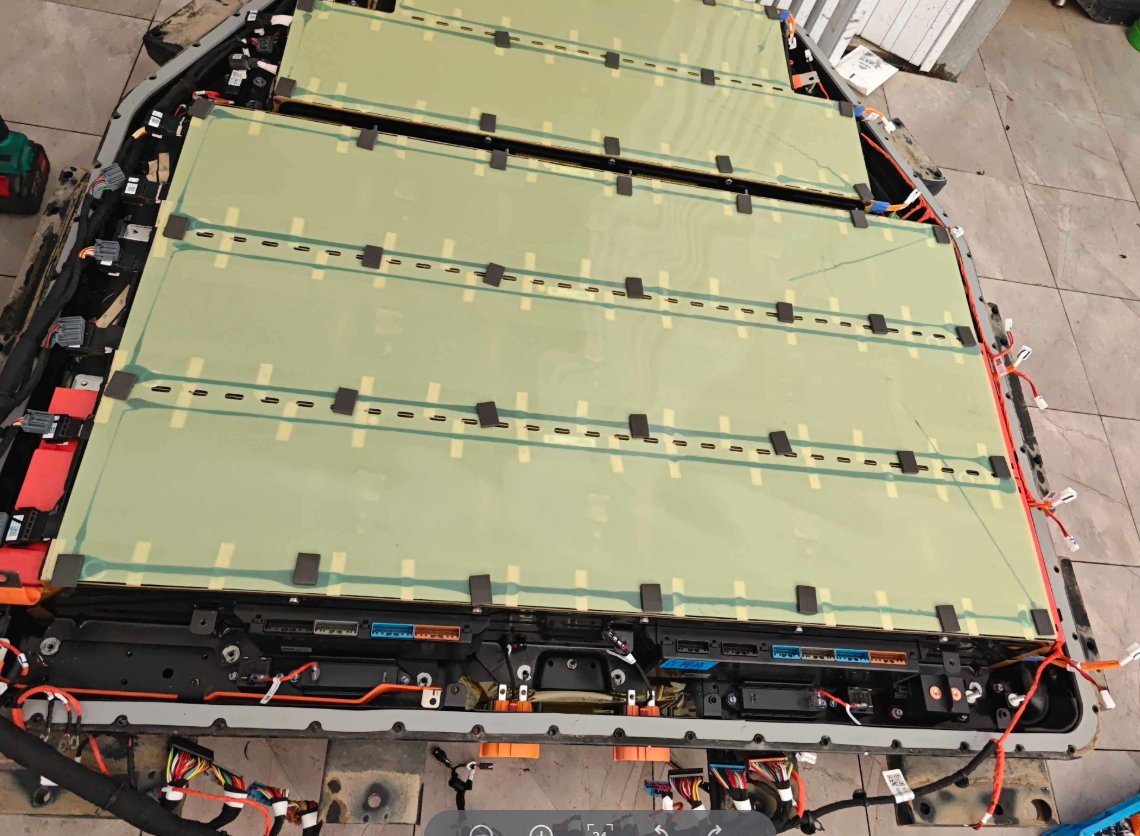
Based on the internal photographs shared by the Uruguay workshop, the engineering team confirmed that the metal support brackets were bonded to the aluminum housing with industrial adhesive — a construction method that prevents modules from shifting during vehicle operation but makes service access extremely difficult. The team confirmed that conventional mechanical disassembly was not safe for this pack's structure and that specialized freezing-based separation equipment would be required.
4. Why Conventional Disassembly Methods Cannot Work on Glued Battery Packs
Glued or potted battery pack structures are increasingly common in Chinese EV manufacturing. They offer manufacturing advantages — reduced fastener count, improved vibration resistance, and tighter module packing density. However, they create a significant aftermarket challenge: the adhesive bonds that hold the pack together during vehicle operation also make service access nearly impossible without specialized equipment.
The Uruguay workshop's battery pack illustrates this problem clearly. The metal brackets bonding the modules to the aluminum housing could not be separated with mechanical force without risking:
- Cell short circuits — deformed or punctured cell casings from uneven mechanical stress
- Housing deformation — bent or cracked aluminum housing that cannot be resealed
- Module misalignment — modules shifting during reassembly, compromising thermal management and structural integrity
The freezing disassembly method addresses all three risks through a fundamentally different physical principle: low temperature embrittles the adhesive layer, reducing its bond strength without applying mechanical stress to the cells or housing. Instead of trying to break the adhesive bond by force, the freezing process makes the adhesive brittle enough to separate cleanly — similar to how frozen glue becomes easier to remove than warm, flexible glue.
This is why specialized workshop equipment — not general-purpose tools — is required. The equipment must maintain precise, controlled low temperatures across the entire battery pack surface for the duration needed to achieve consistent adhesive embrittlement throughout the structure.
5. Specialized Equipment: The HYL-5/3 Battery Pack Disassembly Freezer
Based on the battery structure confirmed through the remote diagnosis, NEV Fix's equipment specialist recommended the HYL-5/3 battery pack disassembly freezer system — a specialized unit designed for glued and potted battery pack structures that cannot be separated by conventional mechanical methods. This equipment is currently produced only in China, where the domestic EV repair industry has developed it in response to exactly the kind of service challenge the Uruguay workshop faced.
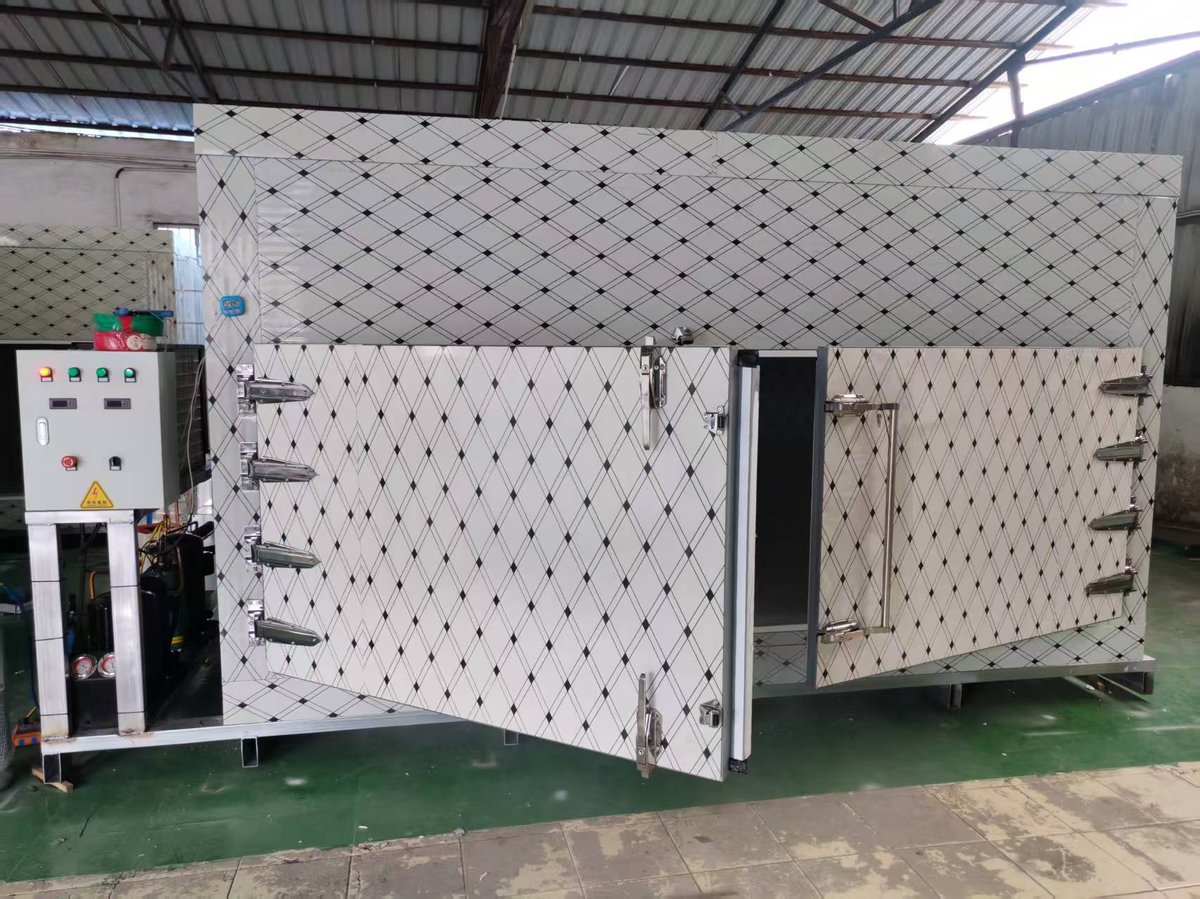
Key technical specifications of the system:
| Parameter | Value | Notes |
|---|---|---|
| Equipment Model | HYL-5/3 | Battery pack disassembly freezer system |
| Chamber Temperature Range | 26°C → -60°C | Cooling cycle: ~120 minutes |
| Expected Cell Temperature | ~-35°C | Expected cell internal temperature during freezing process (per technical discussion) |
| Recommended SOC Before Freezing | 20-40% | Balances safety with post-thaw diagnostic capability |
| Freezing Type | Static (no charge/discharge) | Cells are not cycled during the cooling process |
| Performance Impact | Reversible | Electrolyte viscosity returns to normal after warming |
| Freezing Time Variables | Pack weight, thermal capacity, cover removal status, SOC | Actual duration varies case-by-case |
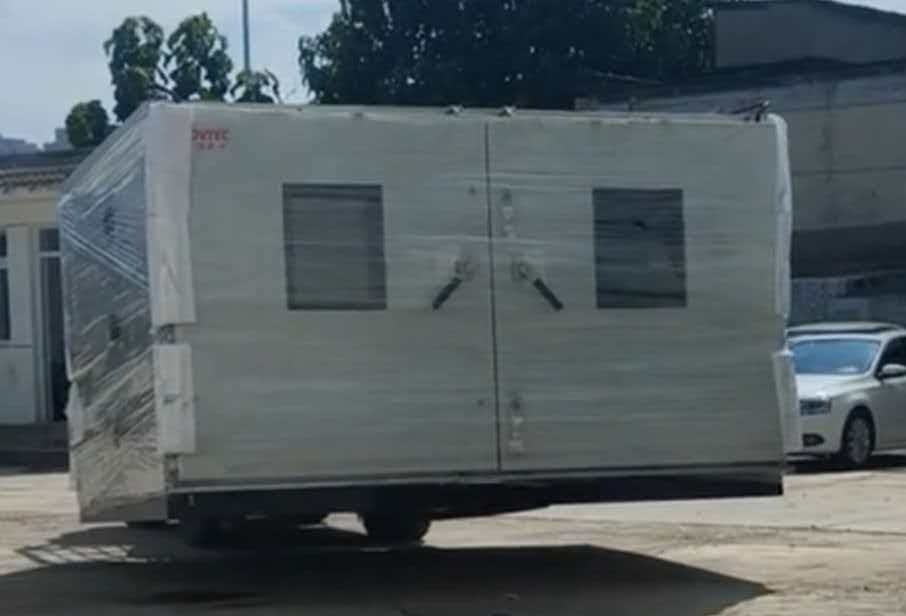
The Uruguay workshop expressed strong interest in procuring this equipment. NEV Fix's equipment partner is currently (August 2026) preparing a detailed quotation including customs duties and shipping costs specific to Uruguay. Equipment pricing is under evaluation and will be confirmed upon completion of the logistics assessment.
6. Key Technical Questions About EV Battery Freezing Disassembly
During the remote consultation, the Uruguay workshop owner raised a series of technically sophisticated questions about the freezing disassembly process. These questions — and the answers provided by NEV Fix engineers — form the most practically useful content in this case study, as they address concerns any workshop would have before investing in this equipment.
Q1: Can freezing damage LFP battery cells?
Answer: For this case, static freezing without charging or discharging at approximately -35°C was considered generally reversible for the LFP cells discussed. The electrolyte viscosity increases and internal resistance rises temporarily during cooling, but cell performance normally recovers after the battery returns to ambient temperature. This applies specifically to no-load freezing conditions — cells should not be charged or discharged during the cooling cycle. This should not be interpreted as a universal operating limit for all LFP cells or battery packs; actual procedures must follow the equipment manufacturer's specifications and the battery manufacturer's service requirements.
Q2: What SOC is recommended before battery freezing disassembly?
For this case, the NEV Fix technical team recommended an SOC of approximately 20-40% before initiating the freezing process. This range balances two considerations: reduced energy content for safety during disassembly, and sufficient remaining charge for post-thaw diagnostic testing to verify fault resolution.
Q3: How long does the battery disassembly freezer take to cool?
The HYL-5/3 system requires approximately 120 minutes to reduce the internal chamber temperature from 26°C to -60°C. However, the actual freezing time needed for a specific battery pack depends on several variables: battery pack weight (heavier packs retain more heat), thermal capacity of the metal housing, whether the top cover has been removed (which accelerates cooling), and the battery's current SOC level (affecting internal thermal behavior).
Q4: What temperature do battery cells actually reach during freezing?
While the equipment chamber cools to -60°C, the actual cell internal temperature is expected to stabilize at approximately -35°C during the process. This expected value comes from the technical discussion with NEV Fix's senior battery technicians, drawing on field experience with similar battery pack structures. The temperature differential between the freezer chamber and the cells is due to the thermal mass and heat transfer characteristics of the pack housing and potting materials.
Q5: What post-thaw testing and inspection is required?
After the battery pack returns to ambient temperature, NEV Fix recommends re-testing insulation resistance and checking individual module voltages before beginning reassembly. For controlled processes, NEV Fix recommends real-time temperature monitoring, such as thermocouple-based monitoring, where appropriate. Full inspection procedures are included in the equipment training package provided with the HYL-5/3 system.
Q6: Is training and documentation provided with the equipment?
Yes. Equipment procurement through NEV Fix includes complete operation training, technical manuals, operating guidance, and ongoing remote engineering support. The NEV Fix team emphasized to the Uruguay workshop that equipment alone is not sufficient — the training and procedural documentation are equally critical for safe and successful battery pack disassembly.
7. From One Repair Case to Long-Term EV Technical Partnership
What began as a single remote diagnosis request evolved into a broader discussion about equipment procurement, technical training, and ongoing collaboration. After the NEV Fix engineers answered the Uruguay workshop's technical questions, the workshop owner asked about equipment pricing and expressed clear interest in both the HYL-5/3 system and the associated training program.
This trajectory — from fault diagnosis to equipment inquiry to training discussion — illustrates the natural evolution of an overseas workshop's relationship with NEV Fix. A workshop that successfully resolves one battery repair challenge with Chinese engineering support is highly likely to encounter similar cases as Chinese EV adoption grows in their market. Equipment investment and technician training turn a one-time consultation into a sustainable local repair capability.
The Uruguay case touches all four of NEV Fix's business lines in a single engagement:
- Remote Support — The initial consultation connected Uruguay's morning with China's evening across 12 time zones, using WeChat with built-in translation to overcome the language barrier.
- Battery Repair Training — The HYL-5/3 equipment purchase includes operation training, procedural documentation, and hands-on guidance for safe battery pack disassembly.
- Workshop Equipment Supply — NEV Fix equipment partners can source and ship the disassembly freezer to Uruguay, with customs and logistics handling included.
- Long-Term Partnership — As Chinese EV adoption grows in Latin America, the Uruguay workshop's investment in battery repair capability positions them as a regional specialist, with NEV Fix as their ongoing technical partner.
This case follows a pattern seen in other NEV Fix engagements. A BYD Seal 05 remote diagnosis in Iraq similarly started as a single fault consultation and expanded into ongoing support. A Bolivia EV workshop setup project began with equipment procurement questions and grew into a full turnkey consultation. These cases collectively demonstrate a consistent need: overseas workshops want more than one-off diagnosis — they want to build local repair capability for Chinese EVs, with reliable Chinese engineering support behind them.
8. Key Takeaways for Overseas EV Workshops
1. Glued battery pack structures require specialized equipment — not DIY workarounds.
The Uruguay case confirms that glued/potted battery assemblies cannot be safely opened with general workshop tools. The freezing disassembly method uses temperature-controlled adhesive embrittlement rather than mechanical force, protecting both the cells and the pack housing. Specialized equipment may be required when a workshop intends to handle glued battery pack disassembly in-house.
2. Expert cross-checking during remote diagnosis reduces misdiagnosis risk.
The initial CTP assessment was corrected by a senior technician before any equipment recommendation was made. NEV Fix's multi-engineer collaboration model — where specialists review each other's assessments — is particularly valuable when overseas workshops lack access to Chinese OEM documentation and cannot independently verify battery pack structures.
3. SOC management and controlled parameters make freezing safe for LFP cells.
For this case, the three critical parameters discussed were: SOC at approximately 20-40% before cooling, static freezing with no charge/discharge during the process, and expected cell temperatures at approximately -35°C (not the chamber's -60°C). Under these conditions, the performance impact on LFP cells was considered generally reversible — electrolyte viscosity returns to normal after warming.
4. A single remote diagnosis can develop into equipment procurement, training, and long-term partnership.
The Uruguay workshop contacted NEV Fix for a single fault diagnosis. Within 48 hours, the conversation had expanded to equipment pricing, training schedules, and customs logistics. For international workshops building Chinese EV repair capability, a single successful remote support engagement often becomes the entry point to a broader technical partnership — spanning equipment, training, parts sourcing, and ongoing engineering support.
5. Time zone differences are manageable with modern communication tools.
The 12-hour gap between Uruguay (UTC-3) and China (UTC+8) did not prevent the team from completing a full battery structure assessment, equipment recommendation, and technical Q&A within approximately 48 hours. WeChat's built-in translation feature enabled bilingual communication without requiring human translators, and the asynchronous message format allowed each side to prepare detailed technical responses during their working hours.
6. Chinese EV battery repair support is a growing need that few providers address.
As Geely, BYD, Chery, and other Chinese brands expand in Latin America, Africa, the Middle East, and CIS markets, the number of workshops encountering glued battery packs, undocumented fault codes, and proprietary diagnostic protocols will increase. NEV Fix's combination of remote engineering support, equipment sourcing, and structured training directly addresses this gap. The Uruguay case is one example of a pattern that will become more common as Chinese EV exports accelerate.
Frequently Asked Questions
What causes EV battery insulation faults?
EV battery insulation faults can be caused by moisture ingress, physical damage to cell casings, adhesive degradation inside glued battery packs, manufacturing defects in potting compounds, or cumulative thermal stress. In the Uruguay case, the fault was located in two long modules within the smaller section of a Geely Geometry battery pack equipped with CATL LFP cells. NEV Fix engineers provided remote diagnosis to identify the affected area and recommend a safe disassembly procedure.
Can CATL LFP cells be frozen safely for battery disassembly?
In this case, static freezing of CATL LFP cells at approximately -35°C without charging or discharging was considered generally reversible, based on the technical discussion with NEV Fix engineers. Electrolyte viscosity increases temporarily but returns to normal after the cells warm to ambient temperature. For this case, NEV Fix recommended maintaining SOC between 20-40% before freezing and re-testing insulation resistance after thawing. This should not be interpreted as a universal operating limit for all LFP cells or battery packs; actual procedures must follow the equipment manufacturer's specifications and the battery manufacturer's service requirements.
What equipment is needed for glued EV battery disassembly?
Glued or potted battery pack structures require a specialized battery pack disassembly freezer system, such as the HYL-5/3 model recommended by NEV Fix. This equipment cools from 26°C to -60°C in approximately 120 minutes, embrittling the adhesive layer so modules can be separated without mechanical force. Conventional workshop tools risk cell short circuits and housing deformation on glued packs.
Can overseas workshops get remote Chinese EV battery repair support?
Yes. NEV Fix provides remote technical support to overseas workshops facing Chinese EV battery repair challenges. Services include fault diagnosis via remote consultation, freezing disassembly procedure planning, equipment sourcing and shipping, and structured battery repair training. The Uruguay case demonstrates how a single insulation fault diagnosis evolved into equipment procurement and training discussions within 48 hours.
Need Help With a Chinese EV Battery Pack?
Send us the battery label, fault information, and clear photos of the pack structure. Our technical team can assess the case and advise on the next step — from diagnosis to disassembly planning and equipment recommendations.
- ✔ Battery fault diagnosis via remote session
- ✔ Freezing disassembly technical guidance
- ✔ Battery repair equipment sourcing and training
- ✔ Long-term technical partnership for EV workshops
To request a remote battery assessment, send:
- 1. Battery pack label/photo
- 2. Vehicle model and year
- 3. Fault code or insulation measurement
- 4. Photos of the pack exterior
- 5. Photos of accessible internal structure
- 6. Your country
📊 About This Data: This case study is based on a real remote diagnostic session held in August 2026 between a professional EV repair workshop in Uruguay and NEV Fix (nevfix.net) engineers in Guangzhou, China. Equipment specifications (HYL-5/3, temperature parameters, SOC recommendations) come from NEV Fix's technical team and the equipment partner's specification sheet. The article is published with the workshop's consent for industry reference.
Also available: Parts Lookup | FAQ | More Case Studies